
Santiago urban adventures:
Pasta, wines and memoir
Santiago rarely gets treated as a destination in its own right; usually it's a night before Patagonia or a connection point on the way somewhere else. That's a missed morning, or three. The city holds real range: a neighborhood built around food and noise, a walk through the country's hardest history, and a working vineyard an hour from downtown that's been making one of Chile's most collected wines since 1987. Here's what we point clients toward when Santiago has earned more than a layover.
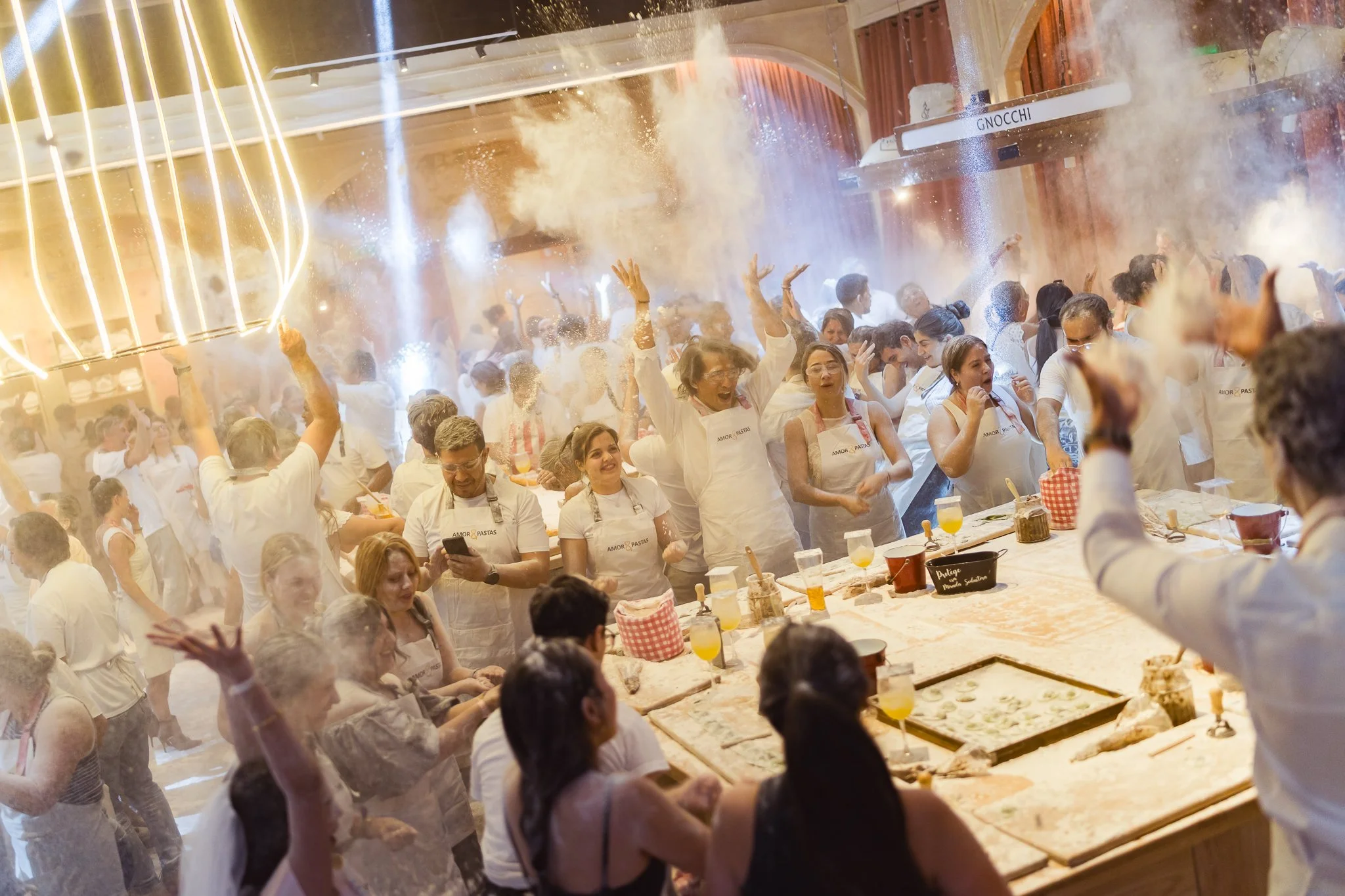
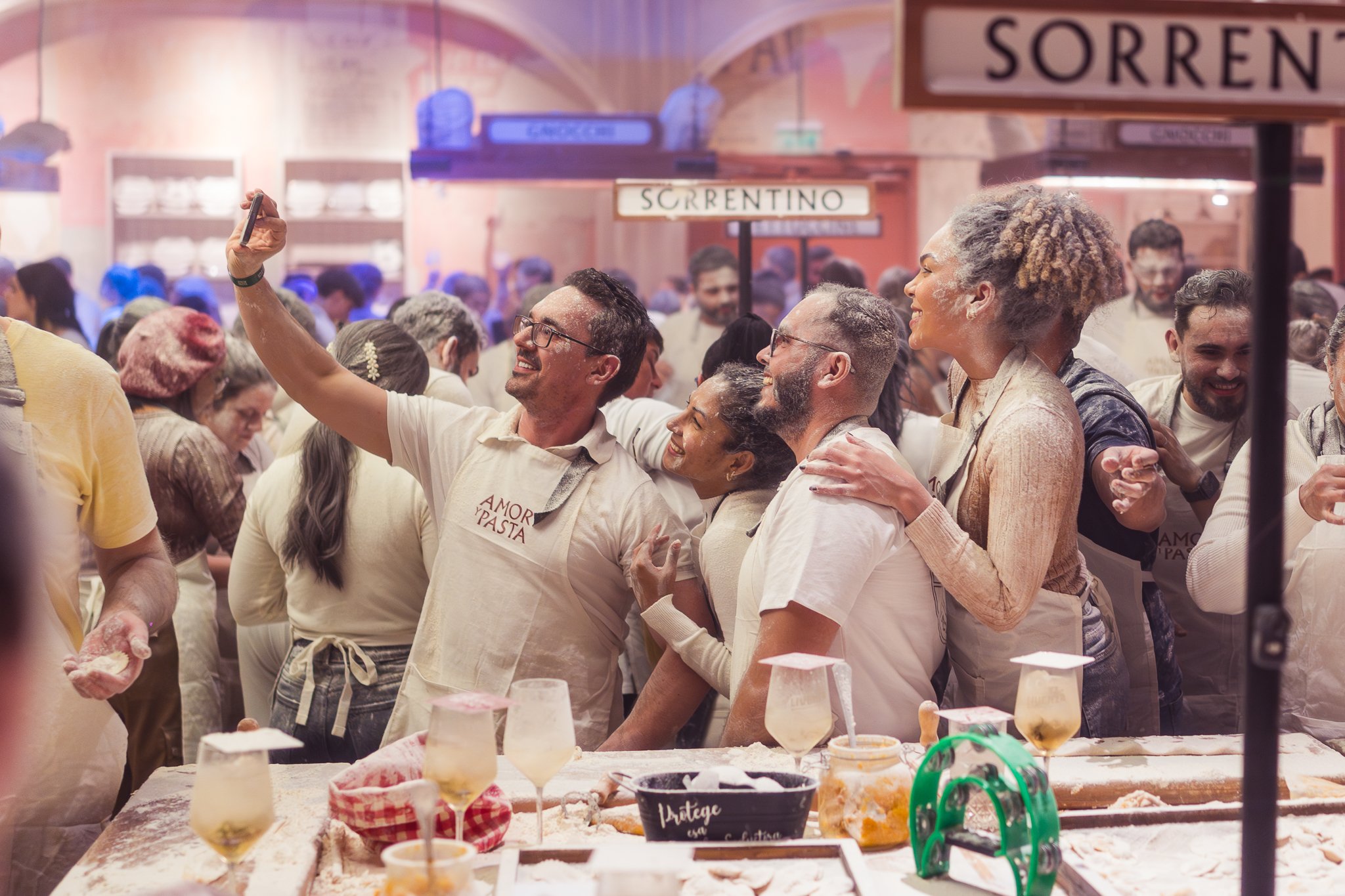
Amor y Pasta: Barrio Italia's Loudest Kitchen
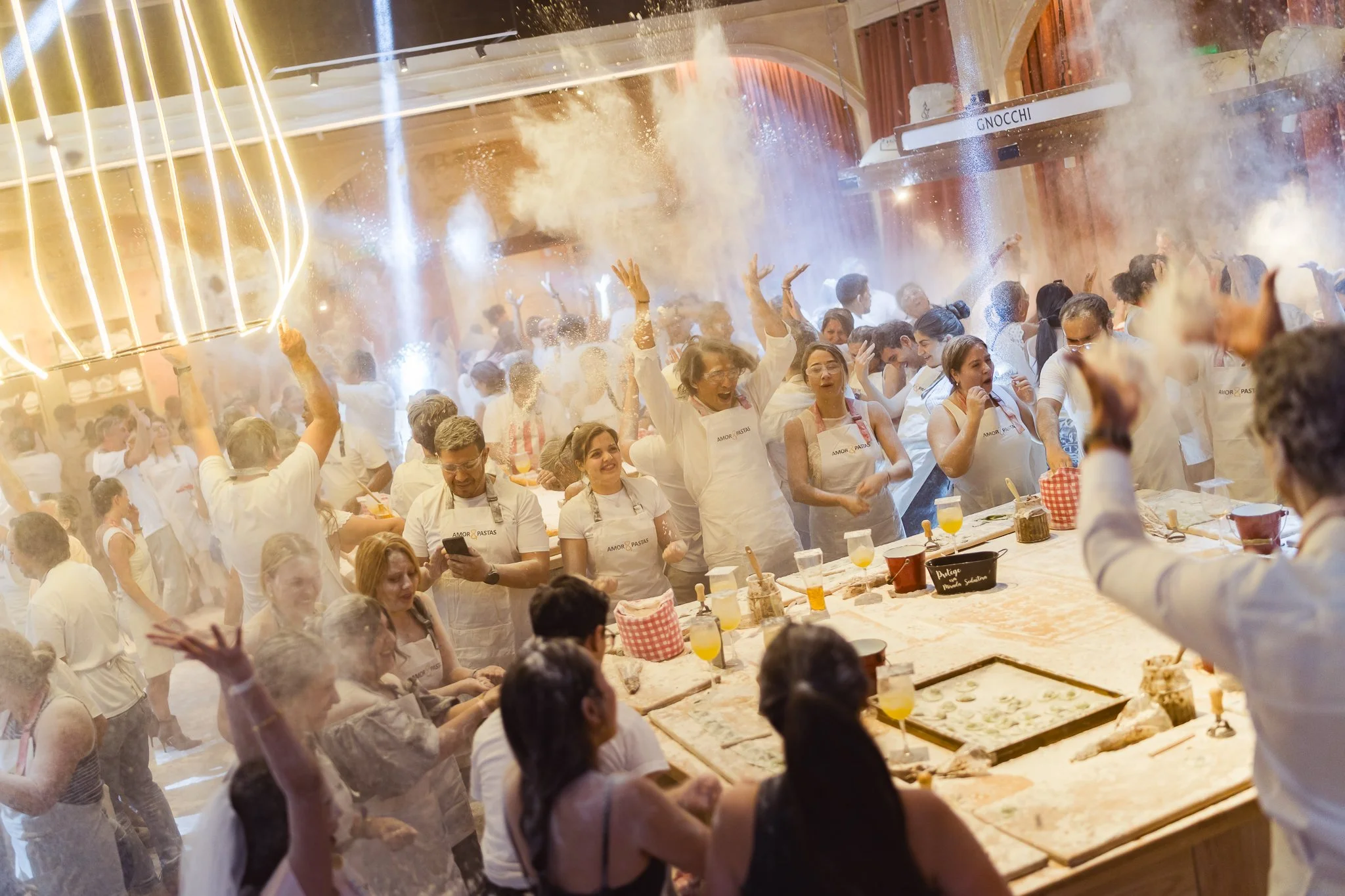
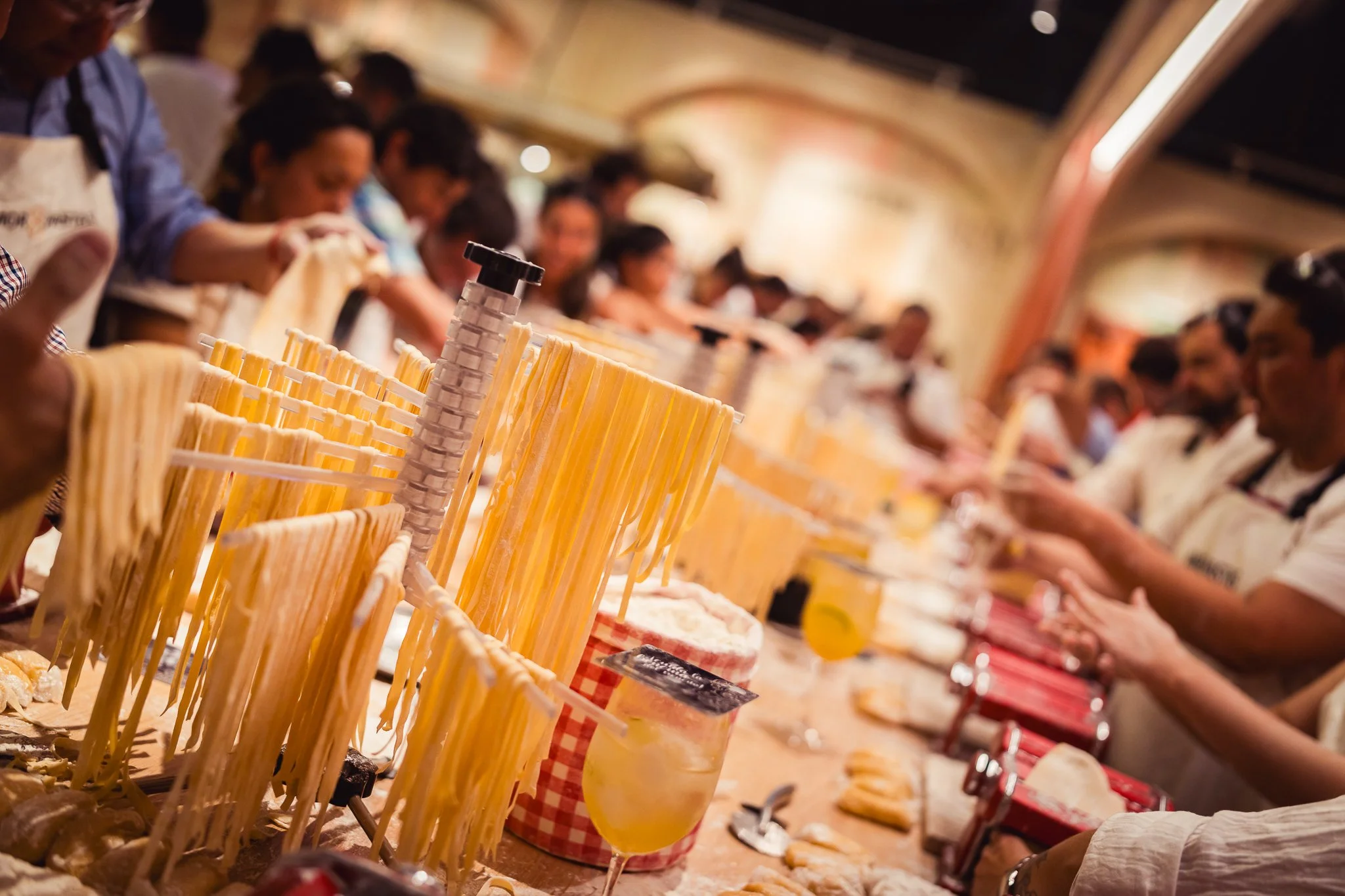
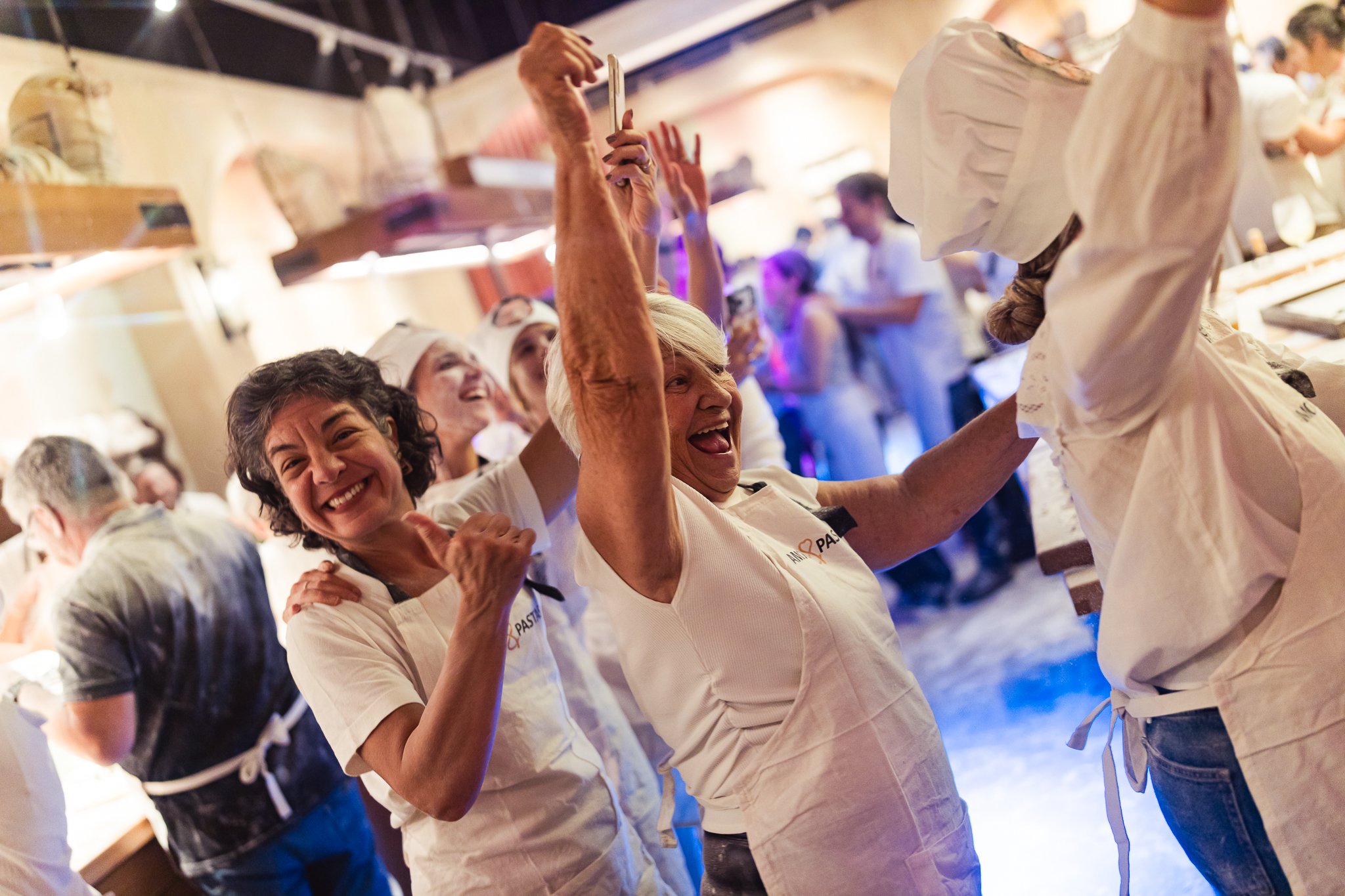
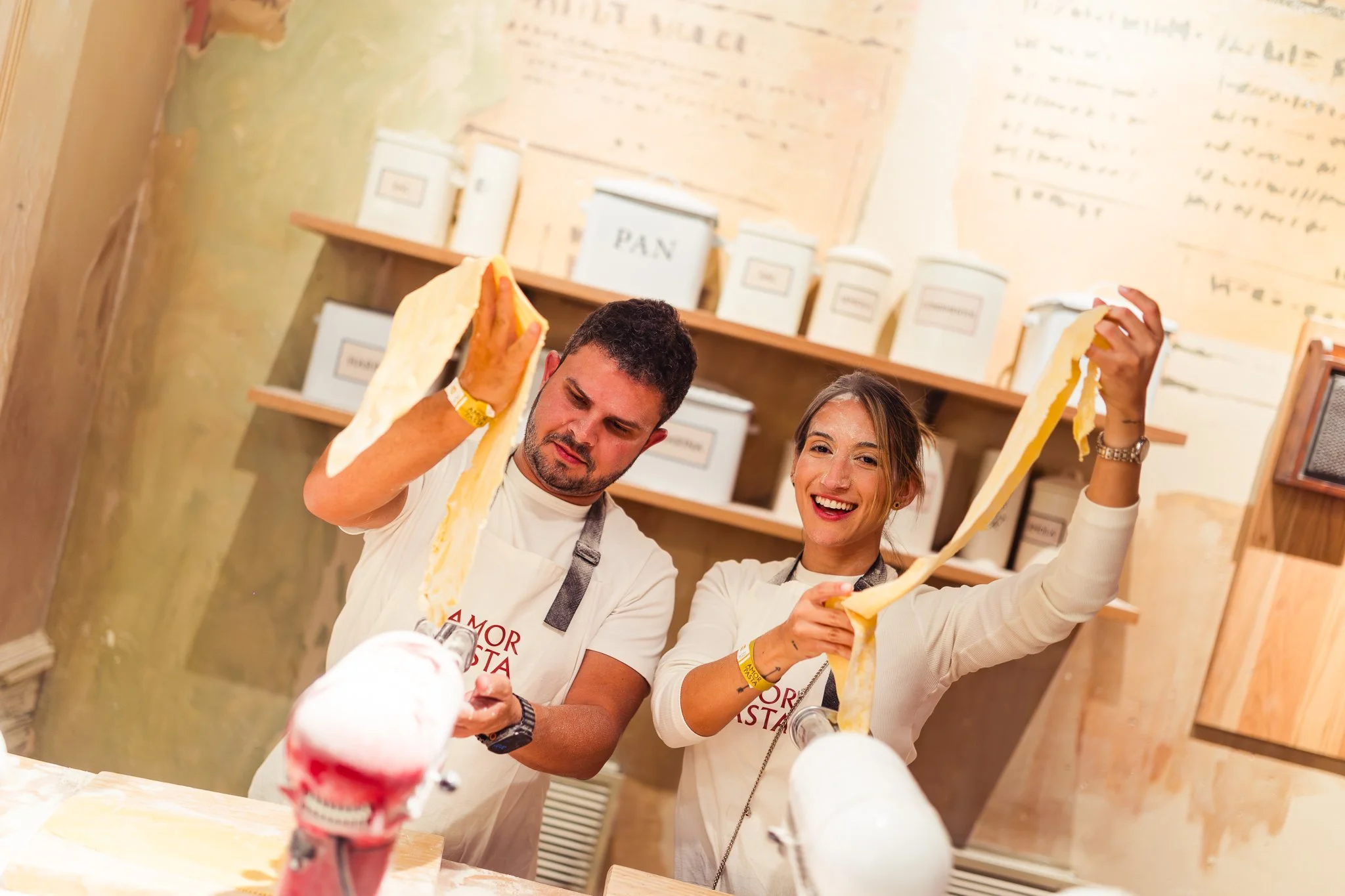
Barrio Italia is Santiago's most creative neighborhood by reputation, and Amor y Pasta fits right into that identity. Over roughly three and a half hours, guests make fresh pasta from scratch (fettuccine, sorrentinos, gnocchi) with cocktails and music running the whole time. It's built more like a party that happens to include a cooking lesson than a class that happens to include drinks. By the end, everyone sits down to eat what they made. It's the right recommendation for clients who want Santiago's social side: groups, friends traveling together, anyone who'd rather laugh through a kitchen than stand quietly through one.
The Museum of Memory and Human Rights
This is a different register entirely, and worth setting up as such when recommending it to a client.
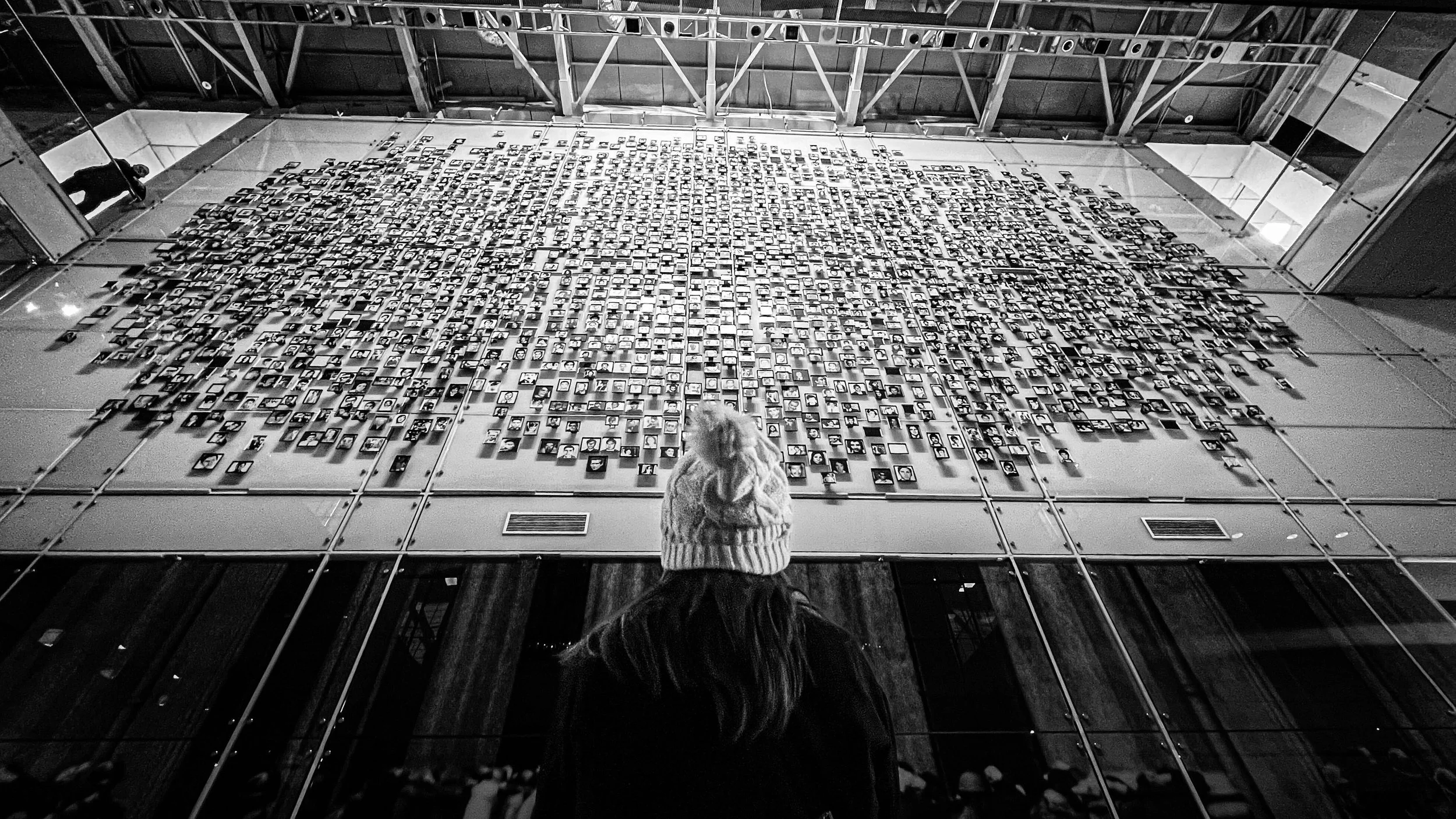
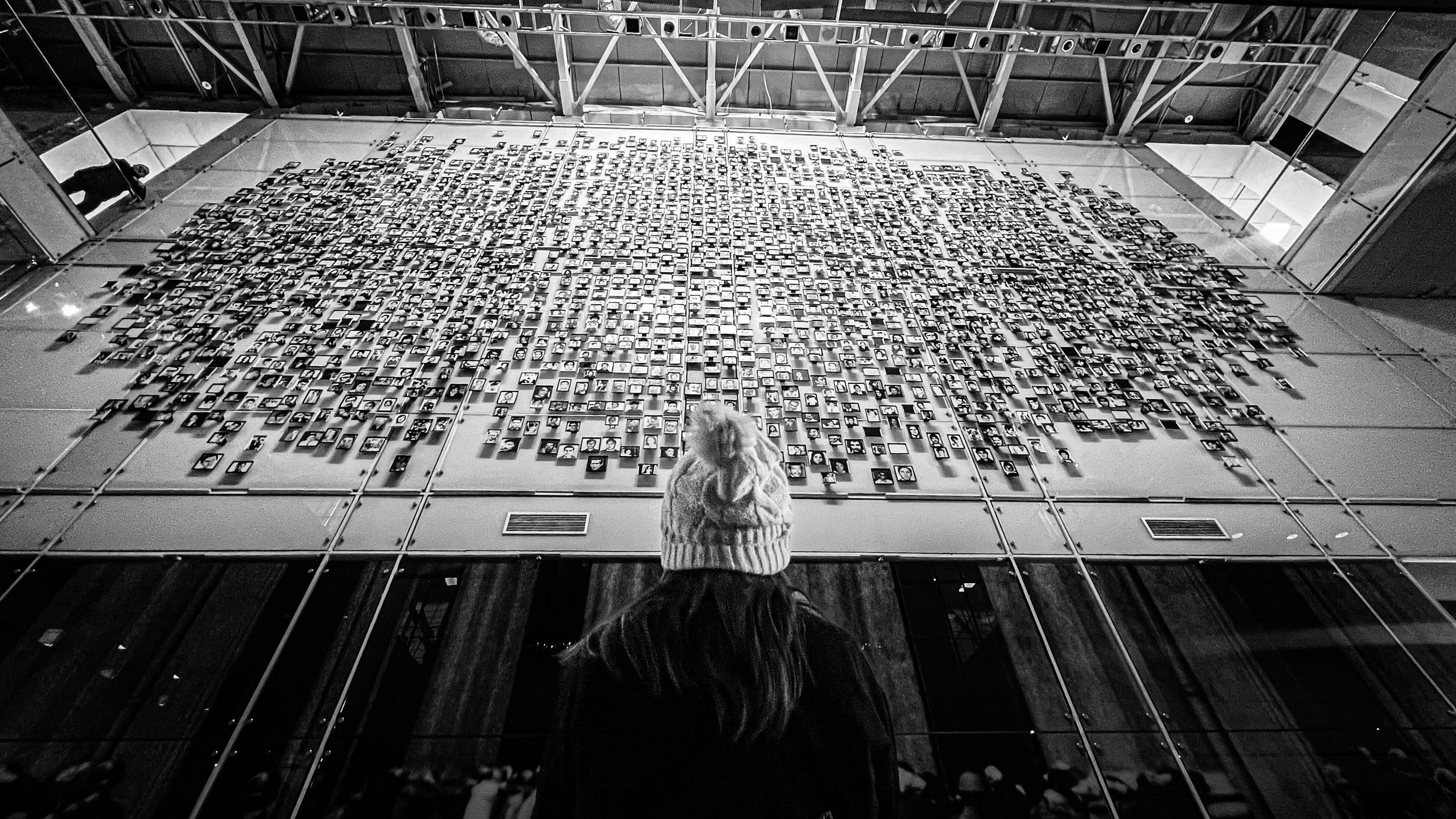
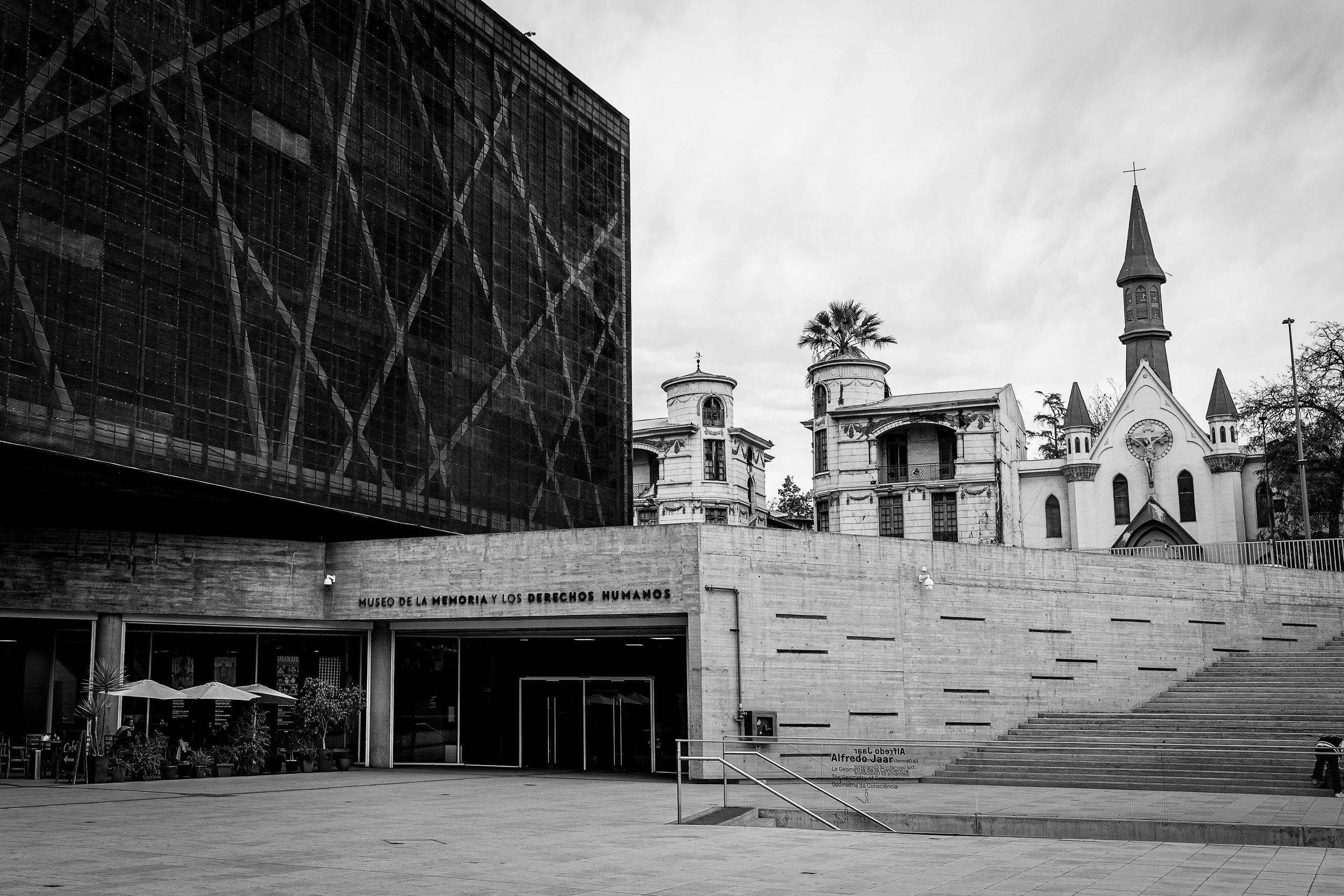
For clients who want to understand the history behind modern-day Chile, this is a morning spent tracing the places where that history unfolded. The route moves through Santiago from the Paris-Londres neighborhood to La Moneda Palace, the General Cemetery and Patio 29, before ending at the Museum of Memory and Human Rights. It connects significant sites from Chile’s dictatorship with the stories of the people who lived through it, offering a deeper context for understanding the country beyond its landscapes and culture.
The morning begins in the Paris-Londres neighborhood, with a visit to Londres 38, originally the Socialist Party’s first headquarters and later used as a detention site during the dictatorship. From there, the tour continues to La Moneda Palace, the seat of Chile’s presidency and executive branch, before heading to the General Cemetery and Patio 29, where many people detained under Pinochet were buried.
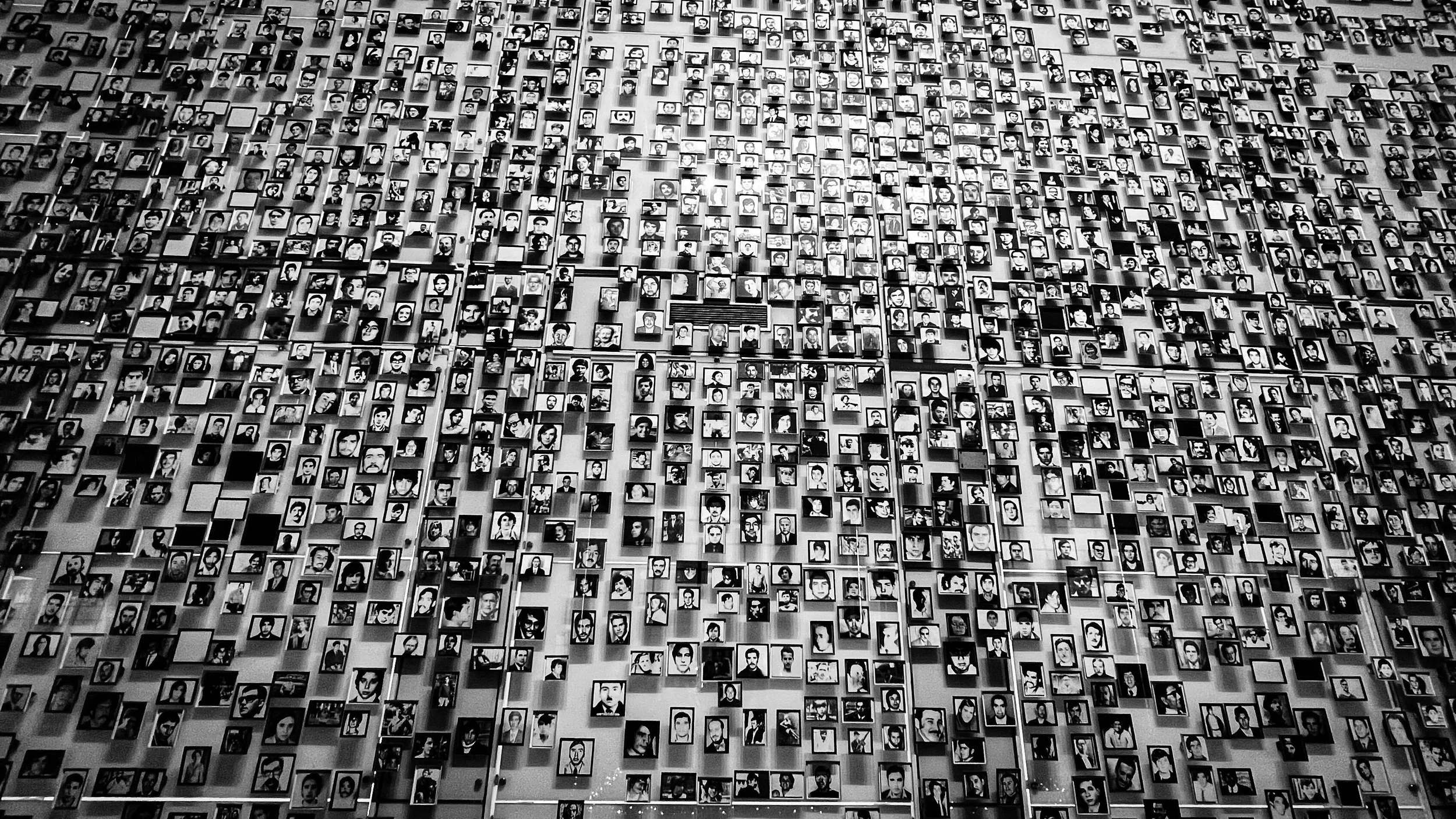
The final stop is the Museum of Memory and Human Rights itself, built on a site that was once a detention camp where torture and executions took place during the dictatorship’s early years. The museum documents this history and honors those who lived through it.
This is a thoughtful choice for clients with a genuine interest in Chile’s 20th-century history. It carries more weight than a typical sightseeing stop, and is best recommended as a dedicated experience rather than folded casually into a lighter day of touring.
Don Melchor Collector's Experience
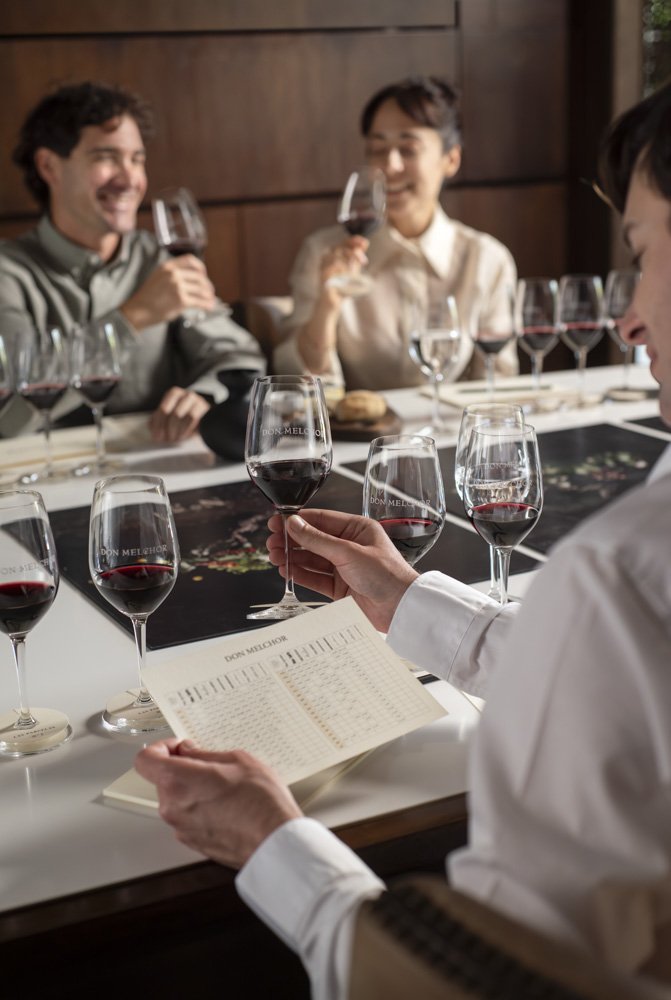
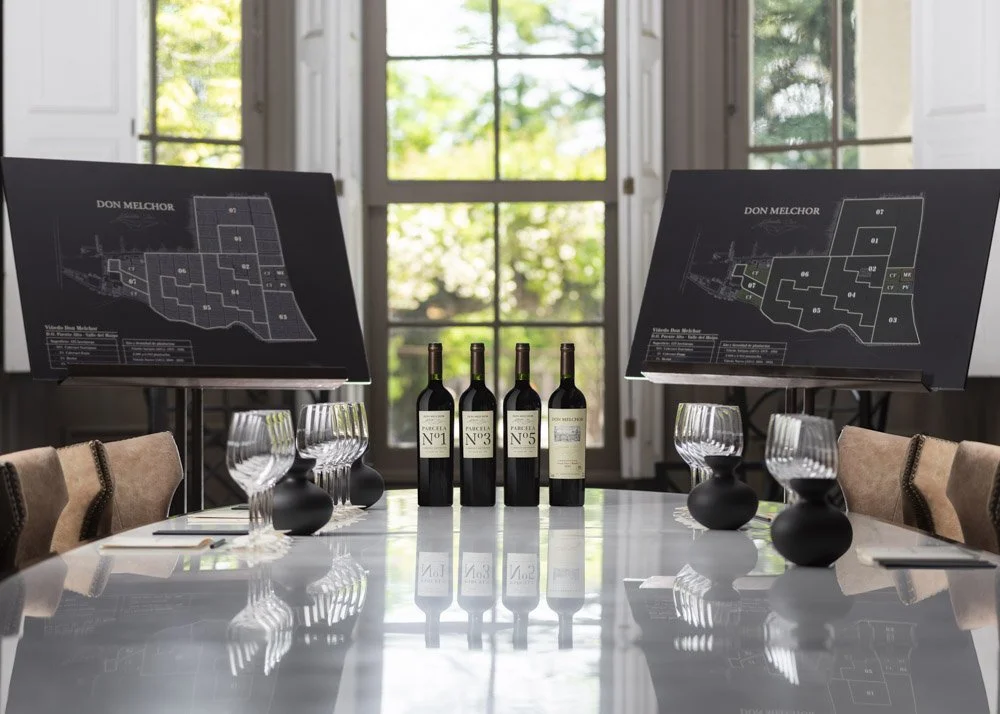
An hour outside Santiago, in Pirque, Casa Don Melchor sits at the center of the Puente Alto vineyard: the source of Chile's best-known Cabernet Sauvignon, produced continuously since 1987.
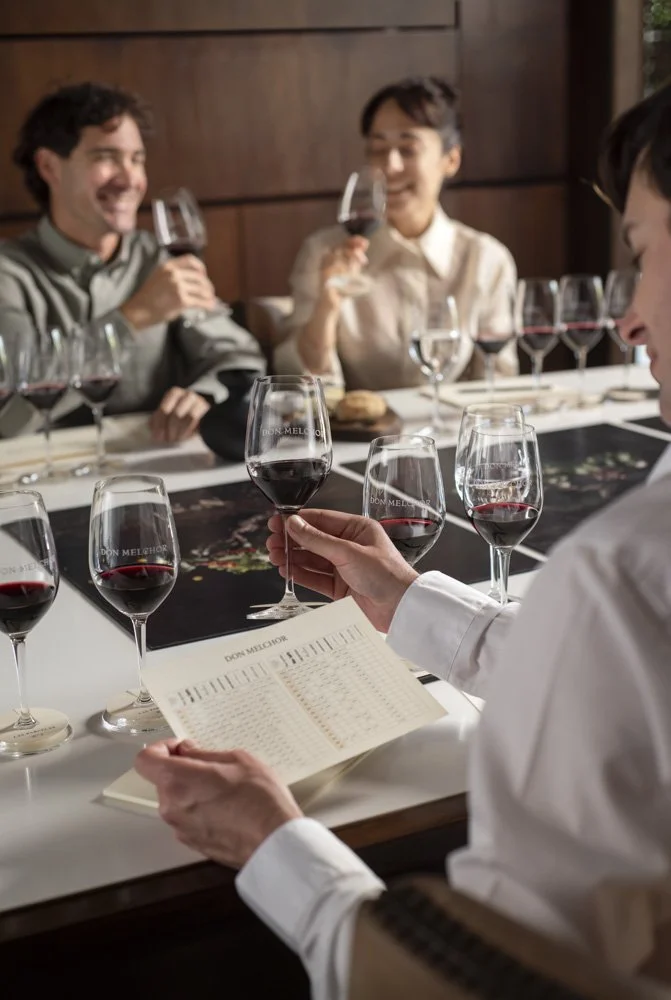
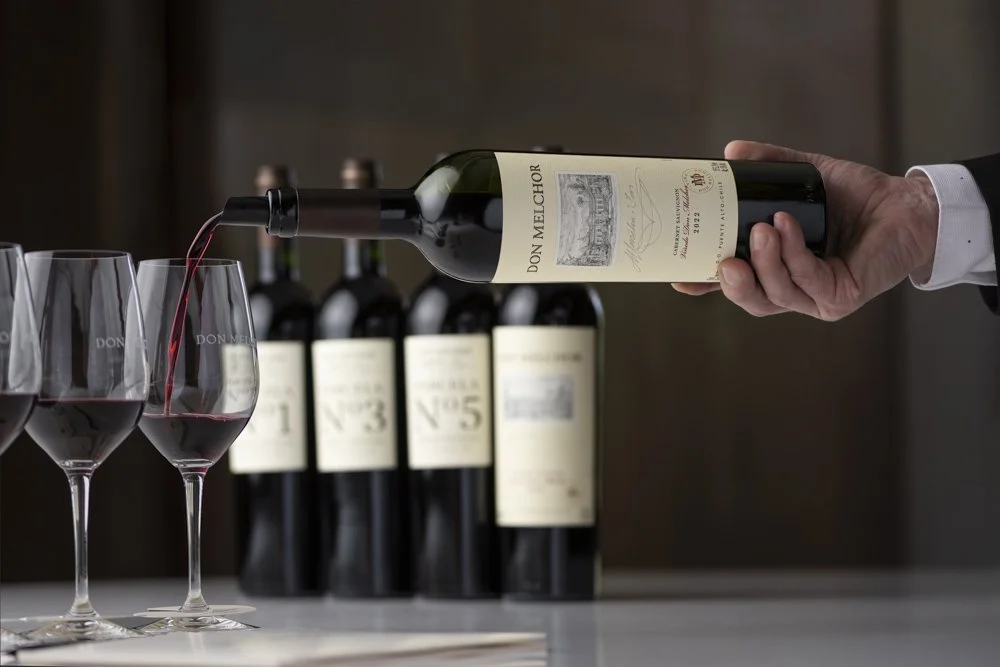
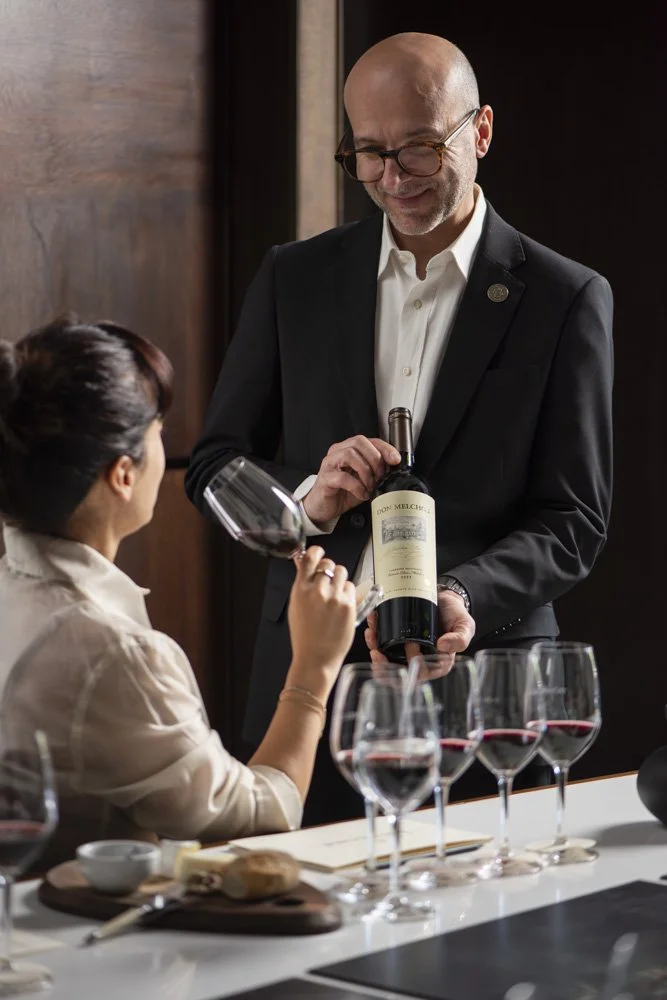
The Collector's Experience goes past a standard winery visit: guests walk through the 19th-century manor house and its gardens, then sit down with a sommelier for a guided tasting built around the terroir itself, wines from three of the vineyard's seven parcels, paired with a cheese board, followed by the current vintage.
The visit ends in the Collection Room, which holds a bottle from every vintage the estate has released since 1987. Groups are capped at 12, run several times a day Monday through Saturday, and reservations need to be confirmed in advance. This is the pick for clients who want the story behind the wine as much as the wine itself, collectors and serious enthusiasts, more than casual tasters.
Building a day around any of these experiences
Each of these works best matched to the traveler rather than defaulted to. Amor y Pasta suits groups looking for fun, energy and informality. The Museum of Memory asks for genuine curiosity about the history, not just free time to fill. Don Melchor rewards clients who already know what they're drinking.
Reach out to our Chile team to add any of the three to an upcoming Santiago stopover.
