
Matching the trek to the traveler
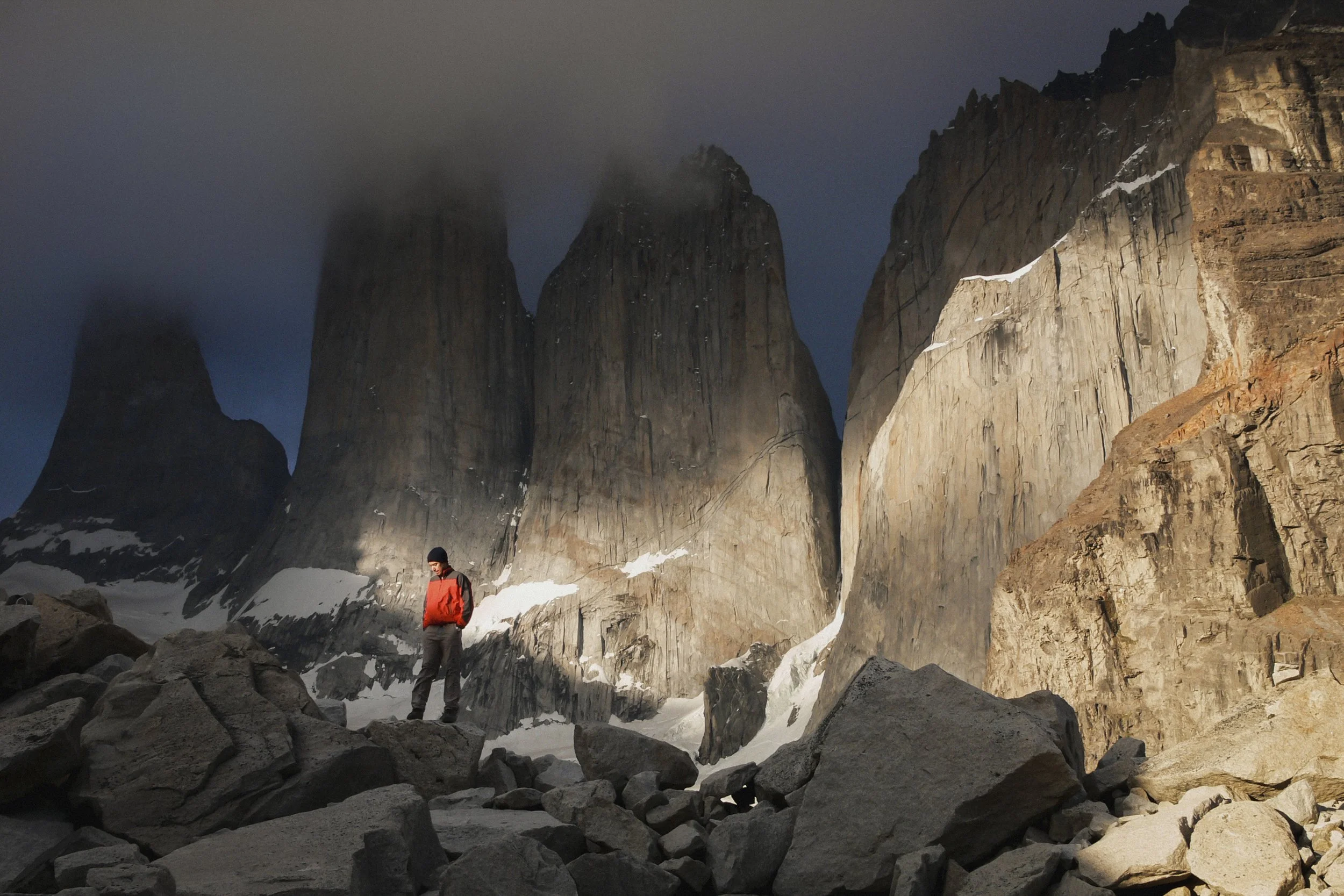
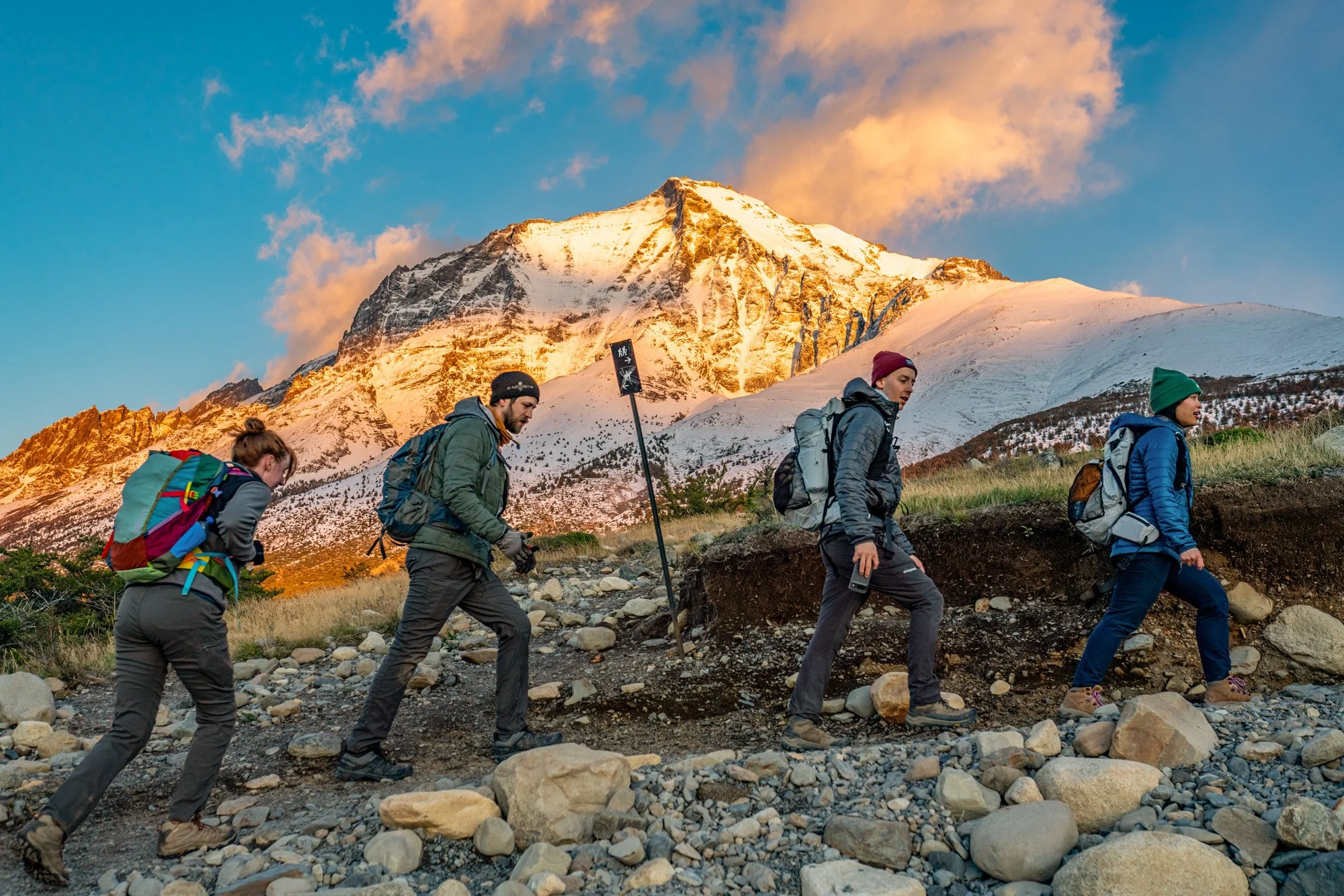
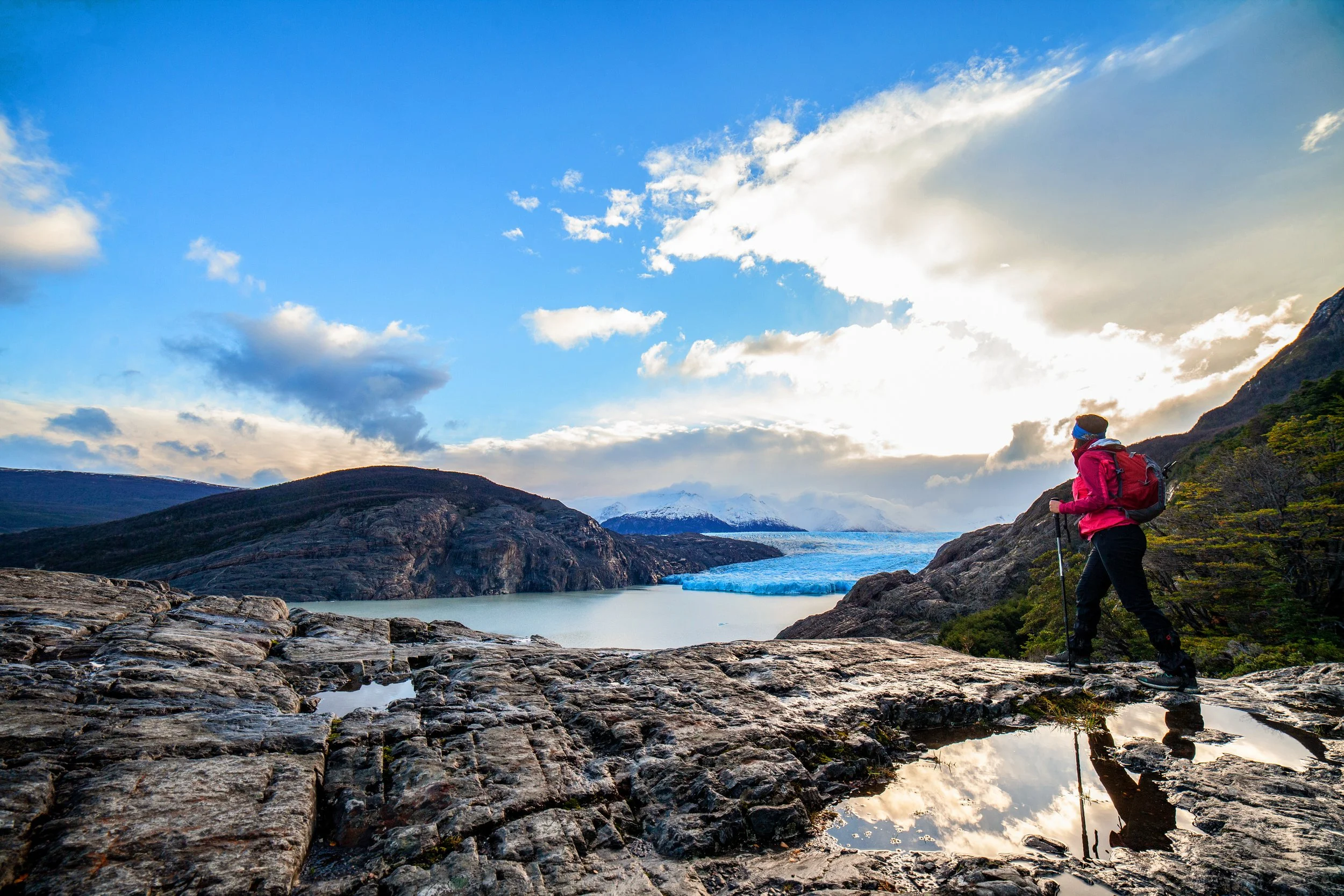
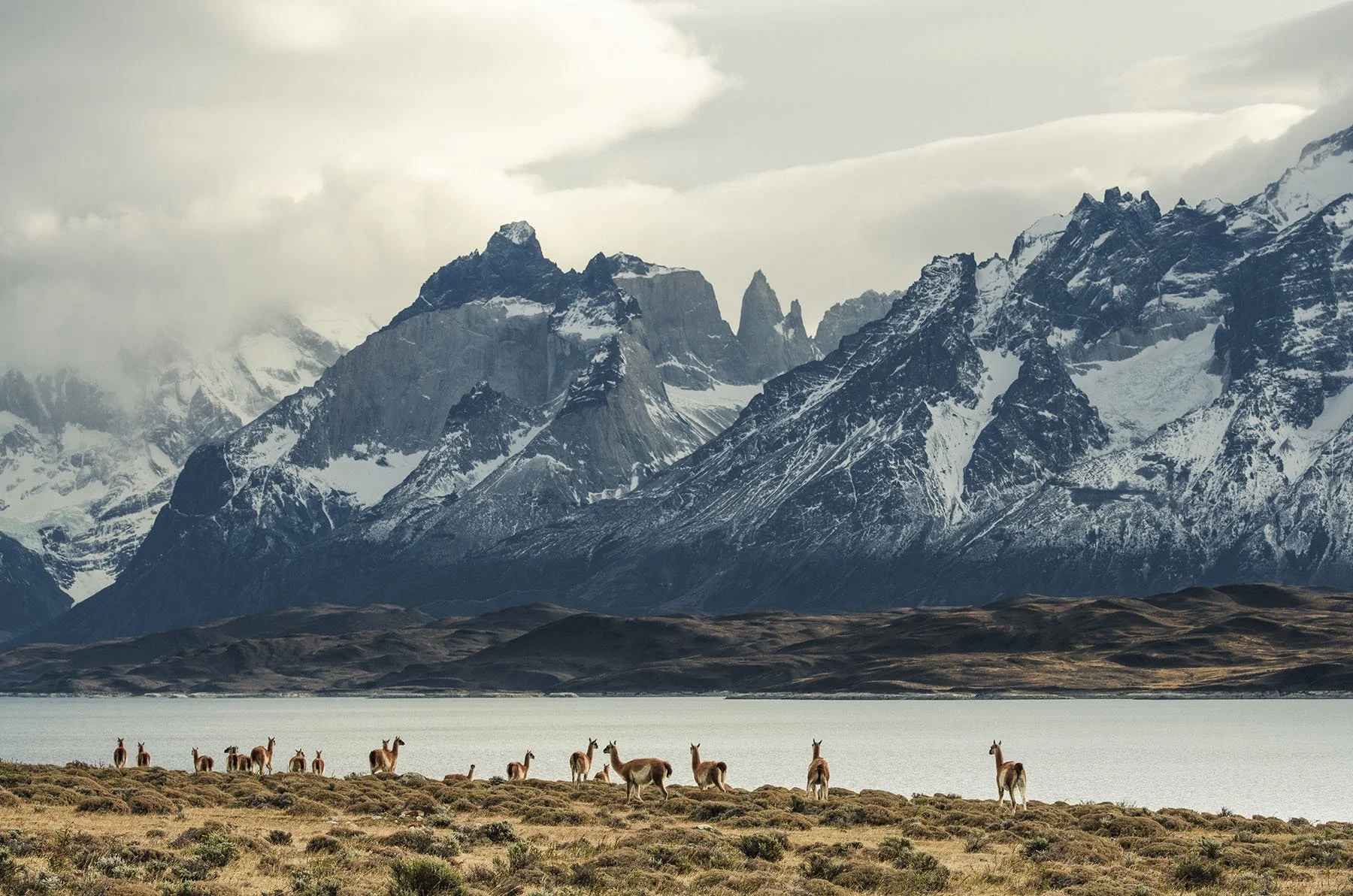
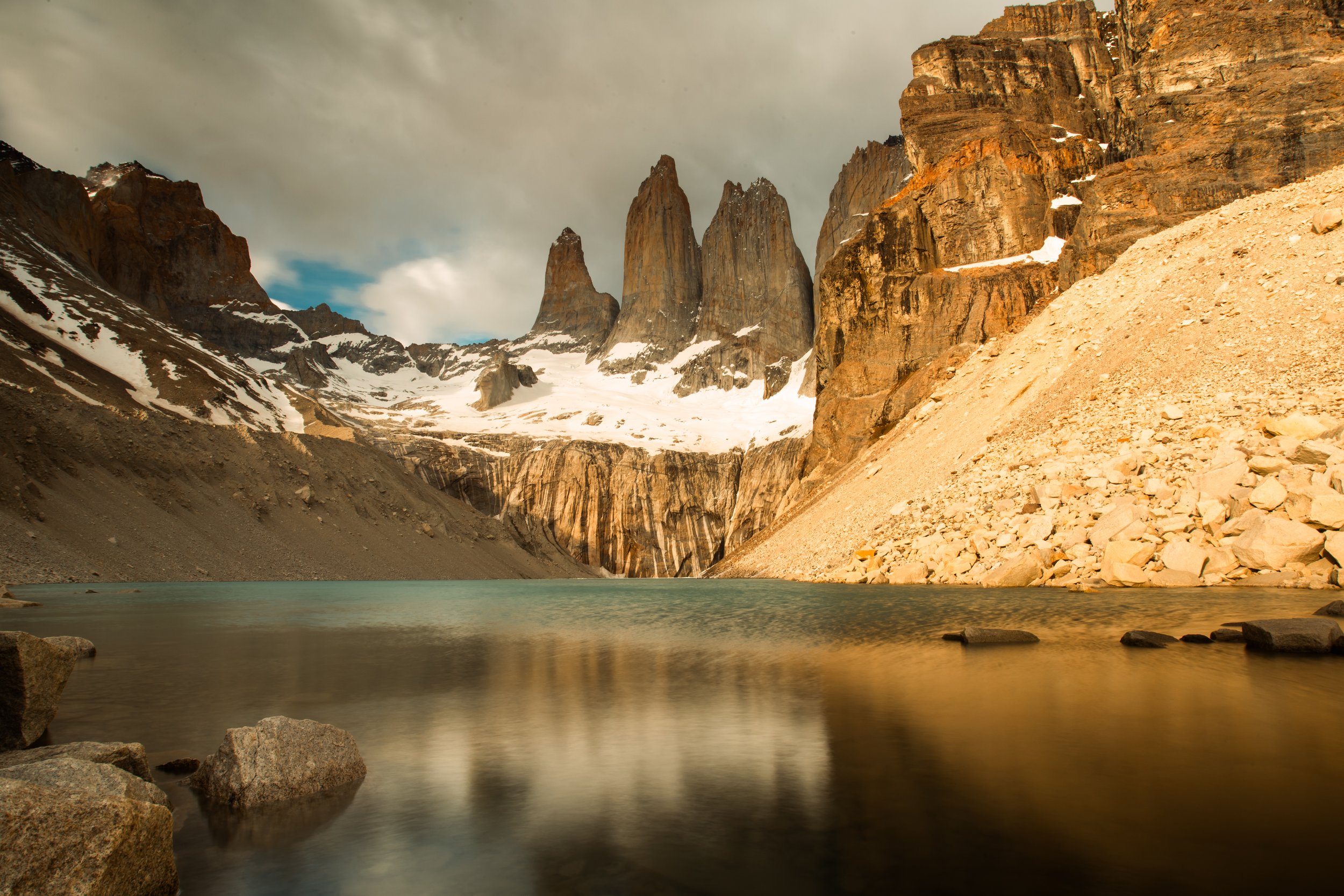
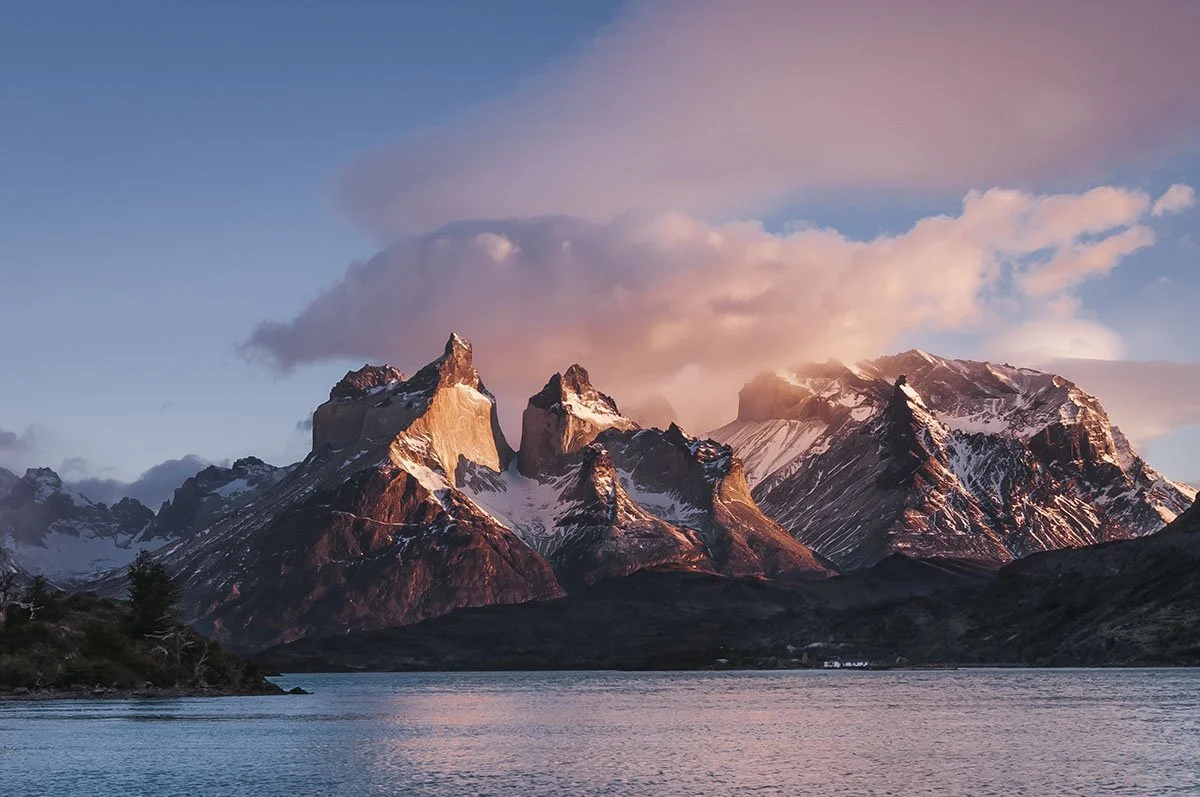
Every client pictures the same postcard: Torres del Paine, base of the towers, glacier in the distance. Patagonia delivers that. What decides whether the trip gets there in good shape is the sequence around it: the route, the weather windows, the nights that have to line up before anything else gets booked.
For a 2026-2027 program, the question isn't whether the destination is available. It's whether the full itinerary can be confirmed end to end before you lock anything in. Here's what we check on every booking, and why:
1. Matching the circuit to your client's physical reality, not just their interest
The W and the O treks look similar on paper, but the numbers tell a different story: the W runs 60-80 km over 5 days, the O runs 100 km over 7-8 days and includes the John Gardner Pass, the most demanding stretch on either route. Season windows differ too, the W runs October through April, the O only November through March, and winter departures require a guide and extra gear. Match the trek to your client's hiking experience and physical reality before matching campsites to dates.
2. Start east, not west
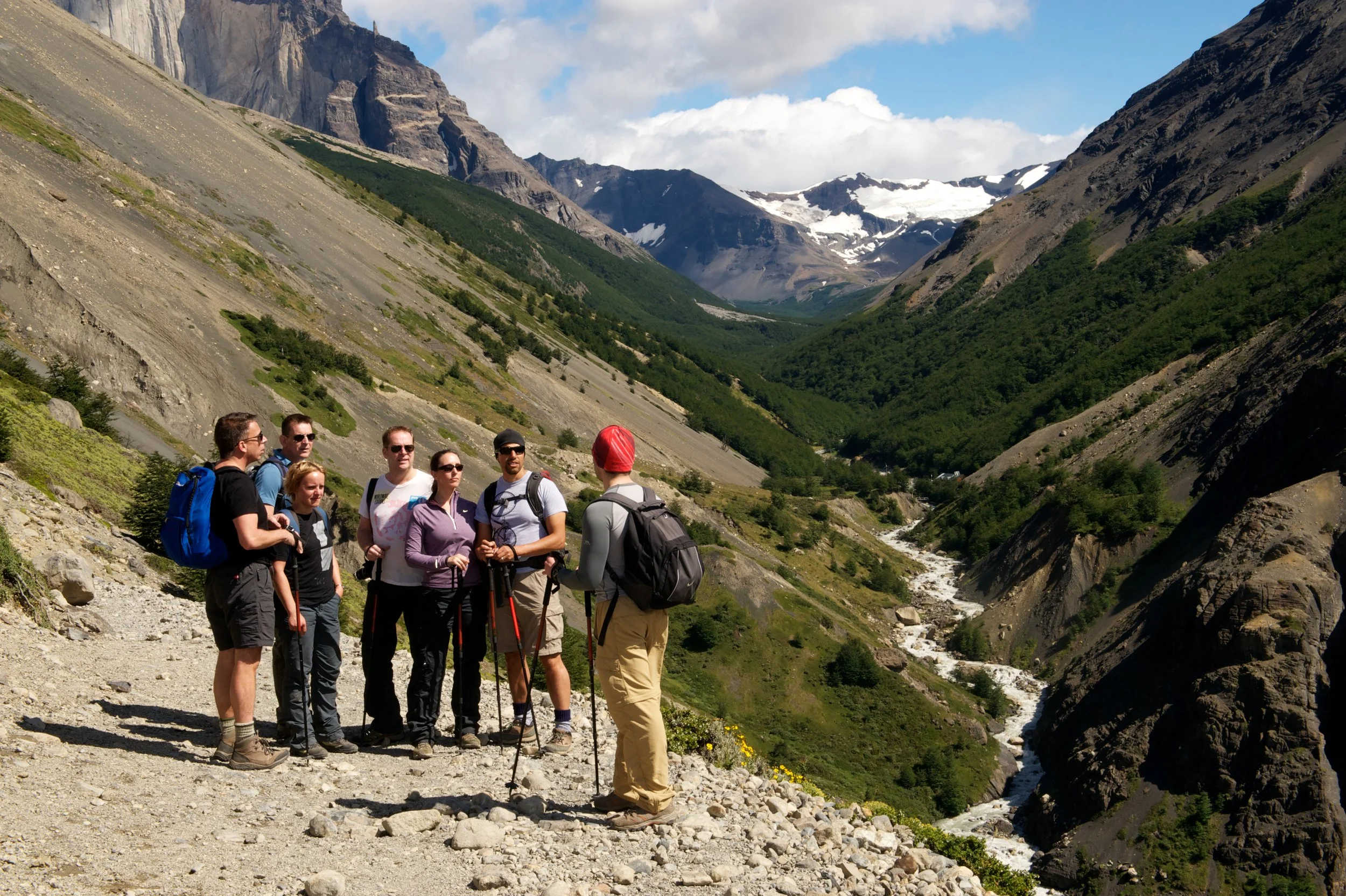
We recommend clients begin the trek from the east side, tackling the hardest day first while they're rested and at full energy. Saving the toughest stretch for the end of the trek, when muscle fatigue has built up over several days, is where the experience tends to work against them instead of for them.
3. Weather isn't a backdrop, it's an operational variable
Wind can cancel catamaran crossings outright, which pulls extra logistics into the itinerary on short notice. The John Gardner Pass carries the same risk from the opposite direction: in dangerous wind or snow conditions, crossing may not be possible at all.
When that happens, there are two contingencies, and neither is guaranteed in advance. Hikers may need an extra night at Refugio Perros (the only camp on the route without hot showers, with basic latrine-style facilities, a reflection of how remote it is) or a return to Dickson, depending on what's available. In extreme cases, everyone gets accommodated, but not necessarily in the conditions originally planned. This is exactly why we treat weather contingency as part of the itinerary, not an afterthought if something goes wrong.
4. Consecutive night availability is the real pressure point
It's rarely a single refugio that causes problems, it's the sequence. One unavailable night anywhere in the chain can shift the entire route, the transportation schedule, and the pacing that follows. We verify the full W or O combination as one block before reserving anything else around it.
5. Park entry, accommodation, and transportation are three separate confirmations
A confirmed accommodation doesn't guarantee park admission, catamaran space, or internal transfers; each one runs on its own booking process. We validate each independently, then check that the timings actually align, rather than assuming one confirmation covers the others.
6. Don't schedule a hard connection the day after the trek
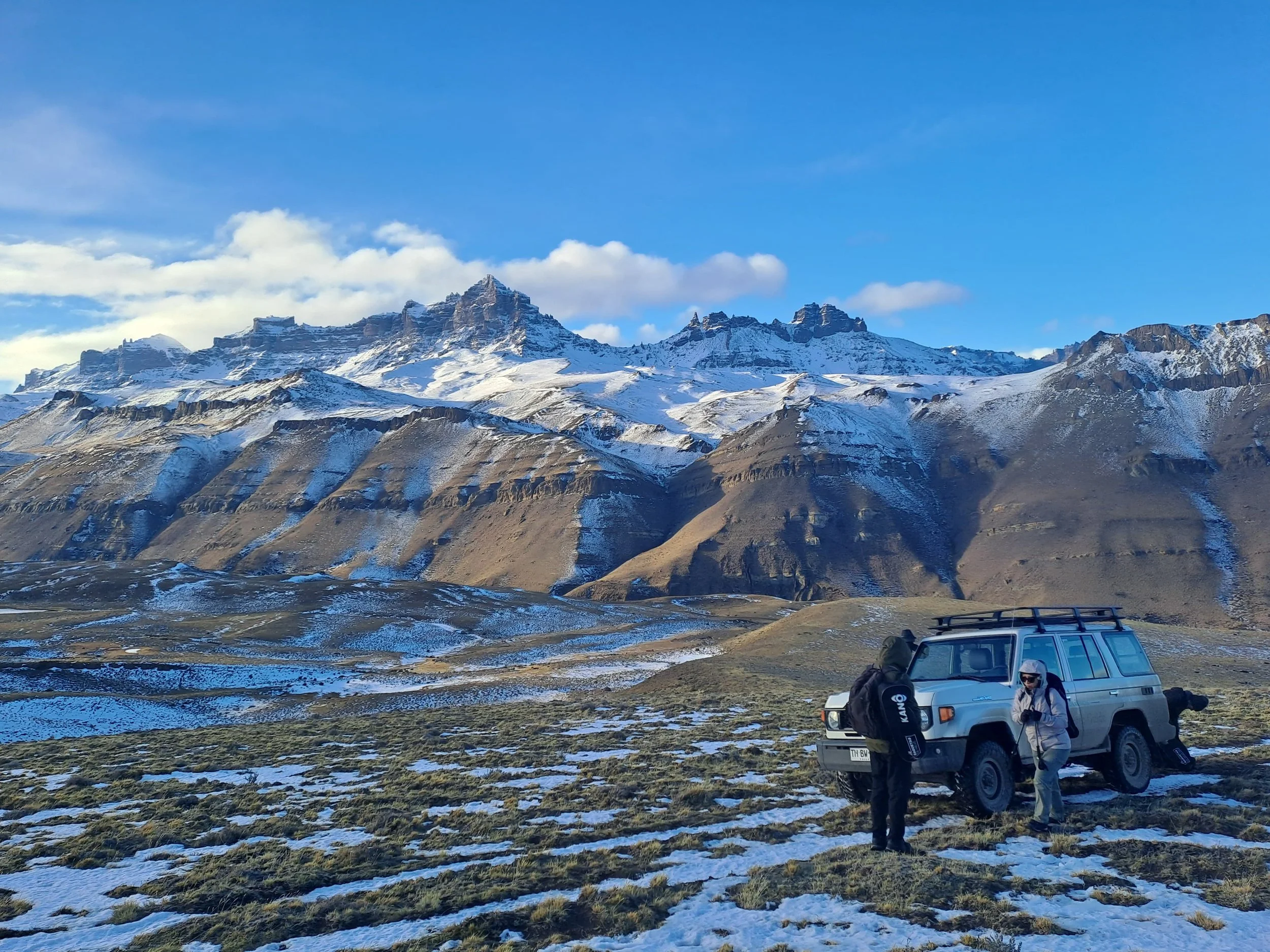
The tightest point on the calendar is usually the day immediately following the hike. We avoid building itineraries where that day includes a long-haul or international connection: passengers are physically spent, and there's no buffer left if anything on the trail runs late.
7. Season windows aren't the same for both circuits
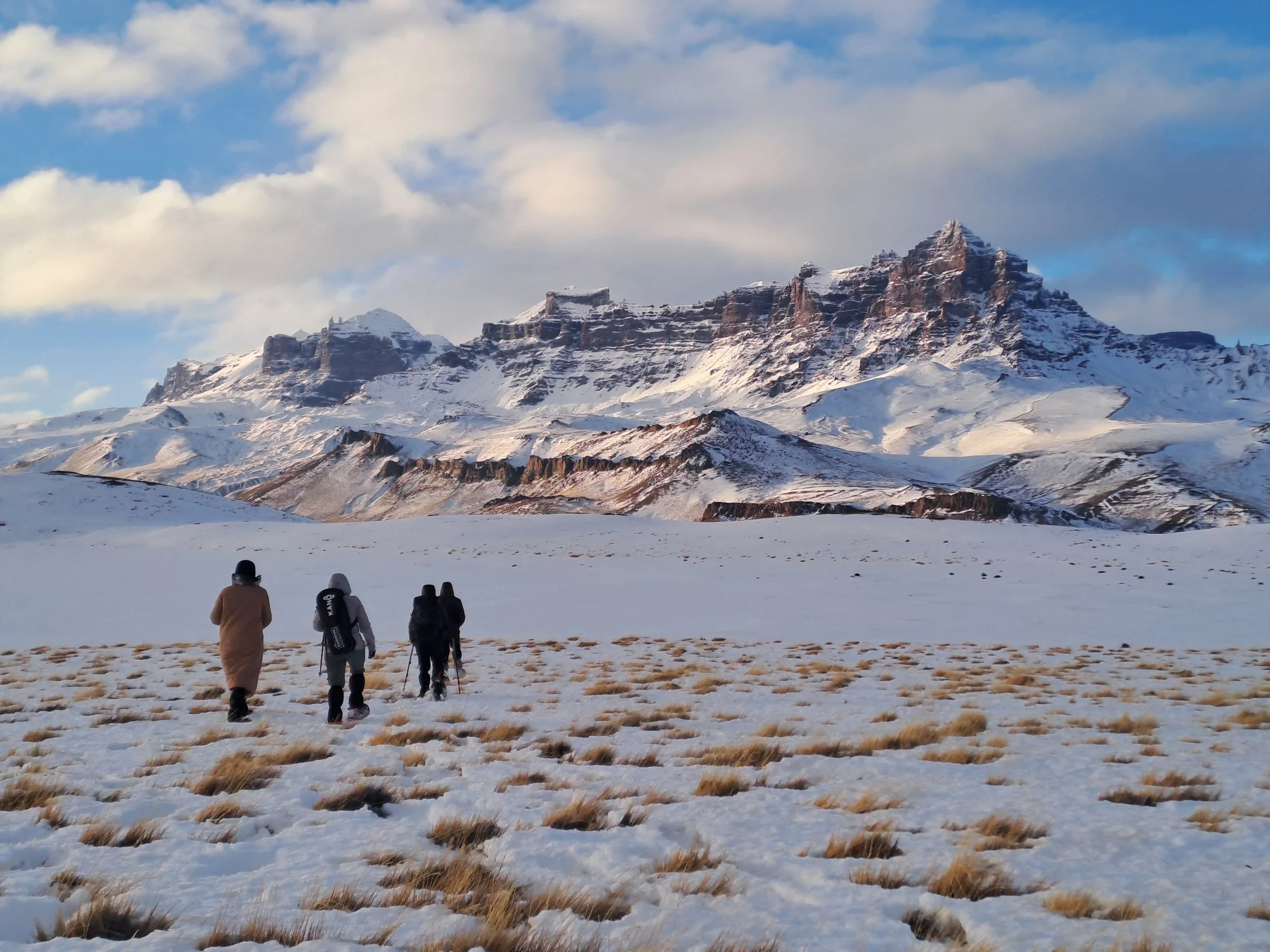
The W runs from October through April. The O runs November through March only. For winter departures on either circuit, a guide is mandatory, and travelers need additional gear: crampons, primarily, for snow conditions. The park in winter is a different experience: fewer people, snow-covered peaks, a quieter version of the same landscape. Worth flagging to clients who assume Patagonia only works in high season.
8. Build in a night before and after (for logistics and for experience)
At least one night before the trek and one after gives the itinerary room to absorb delays without cascading into the next booking. It also gives clients a reason to spend time in Puerto Natales, where the local food scene is worth the extra night on its own.
9. Recheck current conditions for shoulder and winter departures
Park regulations and trail operations shift season to season. For shoulder and winter dates, we review current conditions directly rather than assuming this year looks like last year.
A Patagonia program is confirmed only once accommodation, park access, and transportation dates all line up; not when the first piece is booked. Reach out to our team and we'll help you build it right.
