
Family adventures in Chile
Chile offers an exceptional range of family experiences where nature, culture, and local knowledge come together. From following ancestral paths in the Atacama Desert to learning traditional crafts on Rapa Nui, sharing a meal sourced from the land near Llanquihue Lake, or spending time with a Patagonian family on their estancia, these encounters allow families to experience Chile beyond the surface.
Atacama Desert: Following Ancestral Paths with the Likanantay People
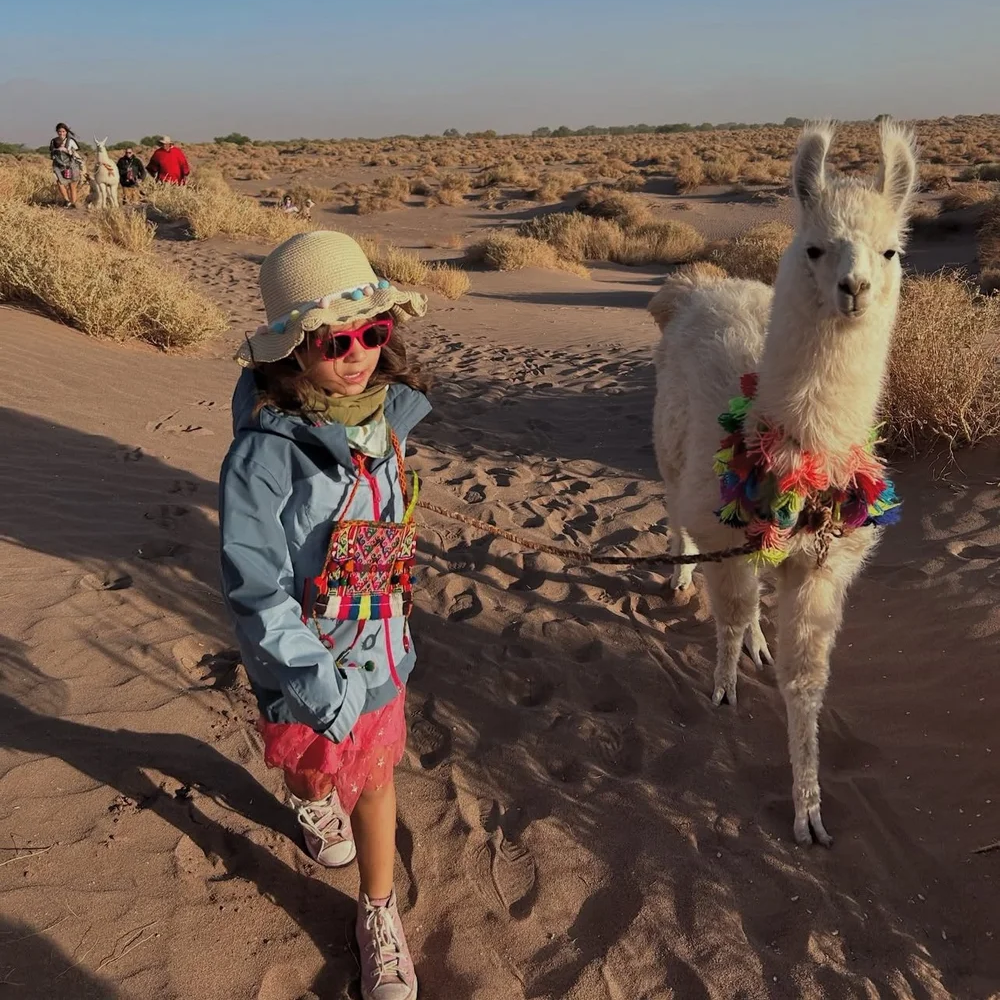
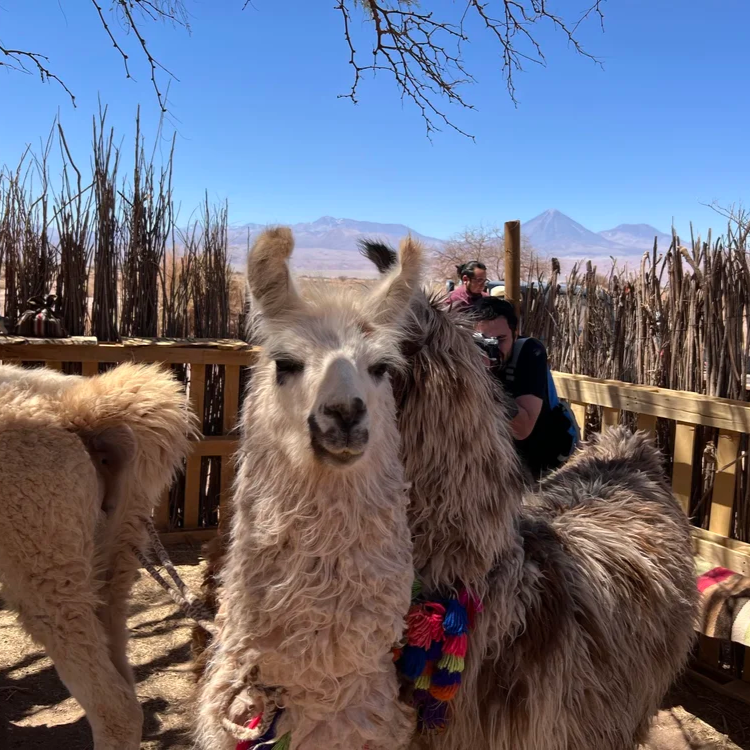
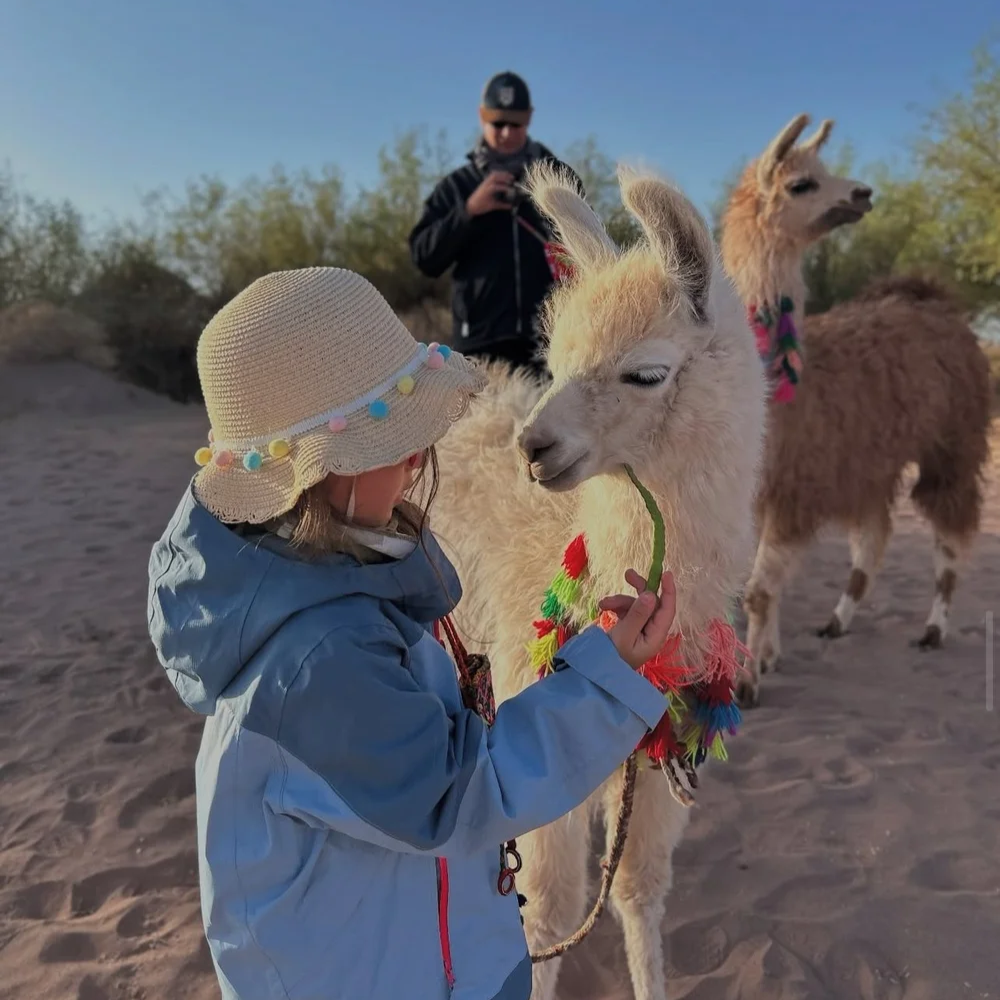
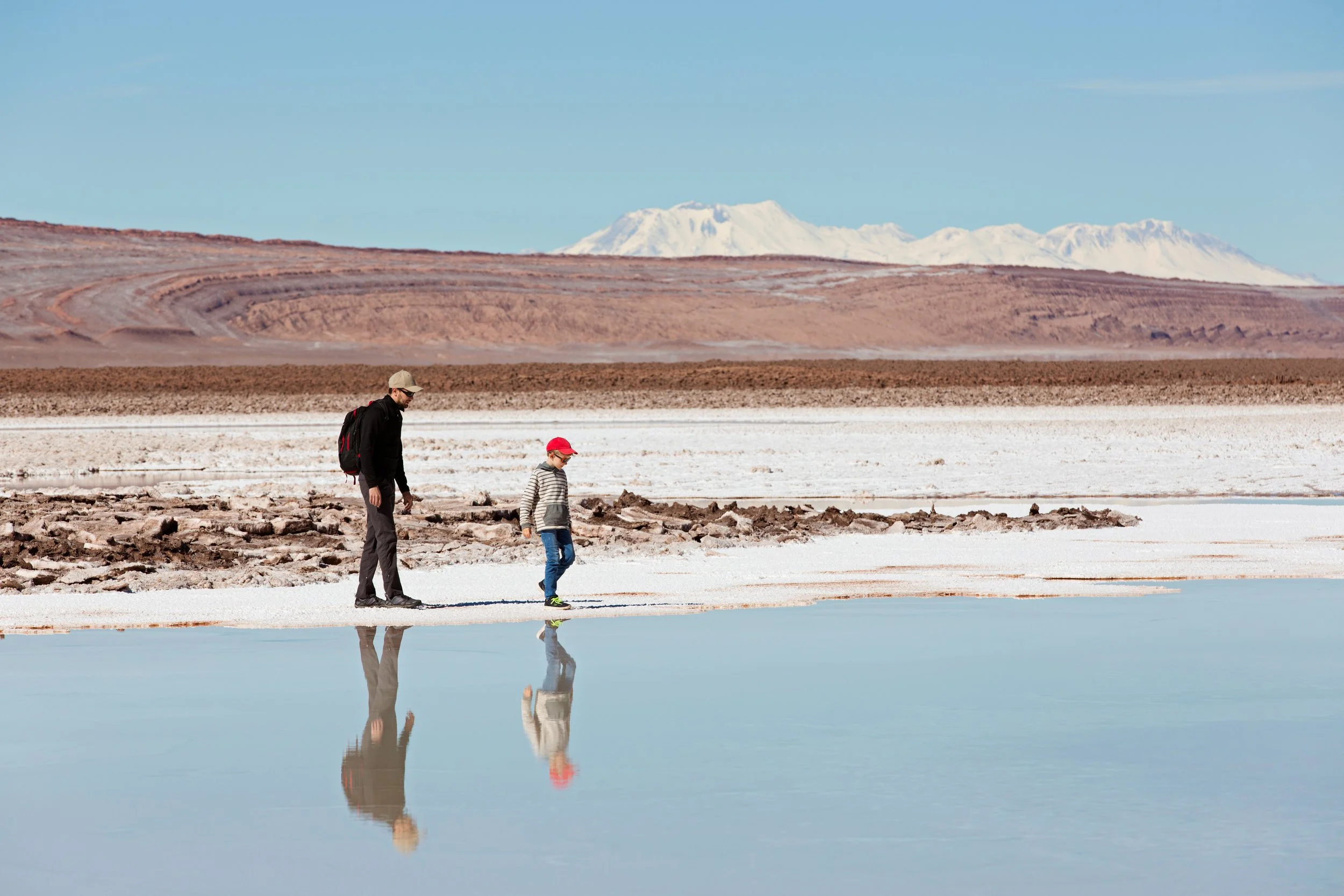
The Atacama Desert is often described through its extremes, its vast salt flats, clear skies, and volcanic landscapes. But its deeper story is one of adaptation, knowledge, and connection to the land.
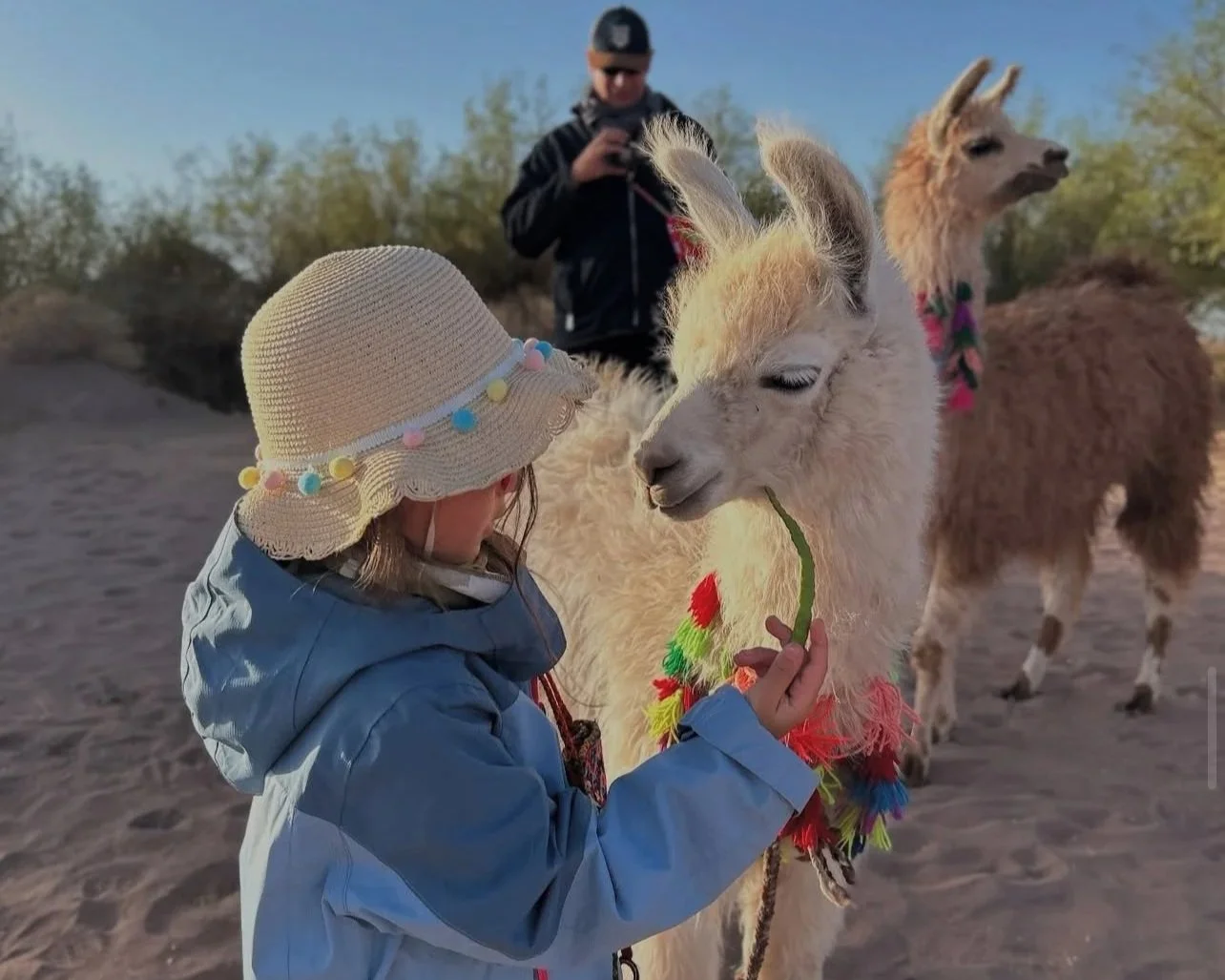
The HD Likanantay Experience & Ancestral Trail with Llamas offers families the opportunity to explore this living heritage alongside local elders and cultural guides. Walking with a llama caravan, travelers follow paths that reflect centuries of Andean traditions and learn about the essential role llamas have played in transportation, agriculture, and cultural identity.
The experience includes an ancestral gratitude ceremony honoring Pachamama (Mother Earth), traditional songs, and conversations about the relationship between the Likanantay people and their environment. It is a thoughtful introduction to Atacameño culture, offering children a chance to learn through direct experience rather than observation alone.
Includes: local guide, Andean snack, cultural interpretation, ancestral ceremony, and llama accompaniment.
Rapa Nui: Understanding a Living Polynesian Culture
The moai are among the world’s most recognizable archaeological icons, but Rapa Nui is not simply a place of monuments. It is a living culture shaped by traditions, stories, music, and the knowledge of its people.
Moai Carving Workshop: Creating a personal connection
A hands-on carving workshop provides families with a closer understanding of Rapa Nui’s artistic traditions. Guided by a local artisan, participants learn about the history and symbolism behind the island’s iconic statues before creating their own miniature moai.
The value of this experience lies in the process: slowing down, working with your hands, and gaining appreciation for the skill and cultural meaning behind Rapa Nui craftsmanship. Children and adults leave with more than a souvenir—they leave with a better understanding of the island’s heritage.
Traditional Rapa Nui dance workshop
Dance is another important expression of Rapa Nui identity. In this workshop, local performers introduce families to traditional movements, rhythms, and songs while sharing the stories behind them.
Accessible for all ages and requiring no previous experience, this is an opportunity to engage with the culture in an active and respectful way; through music, movement, and shared participation.
Santiago: A different side of nature at Tricao Park
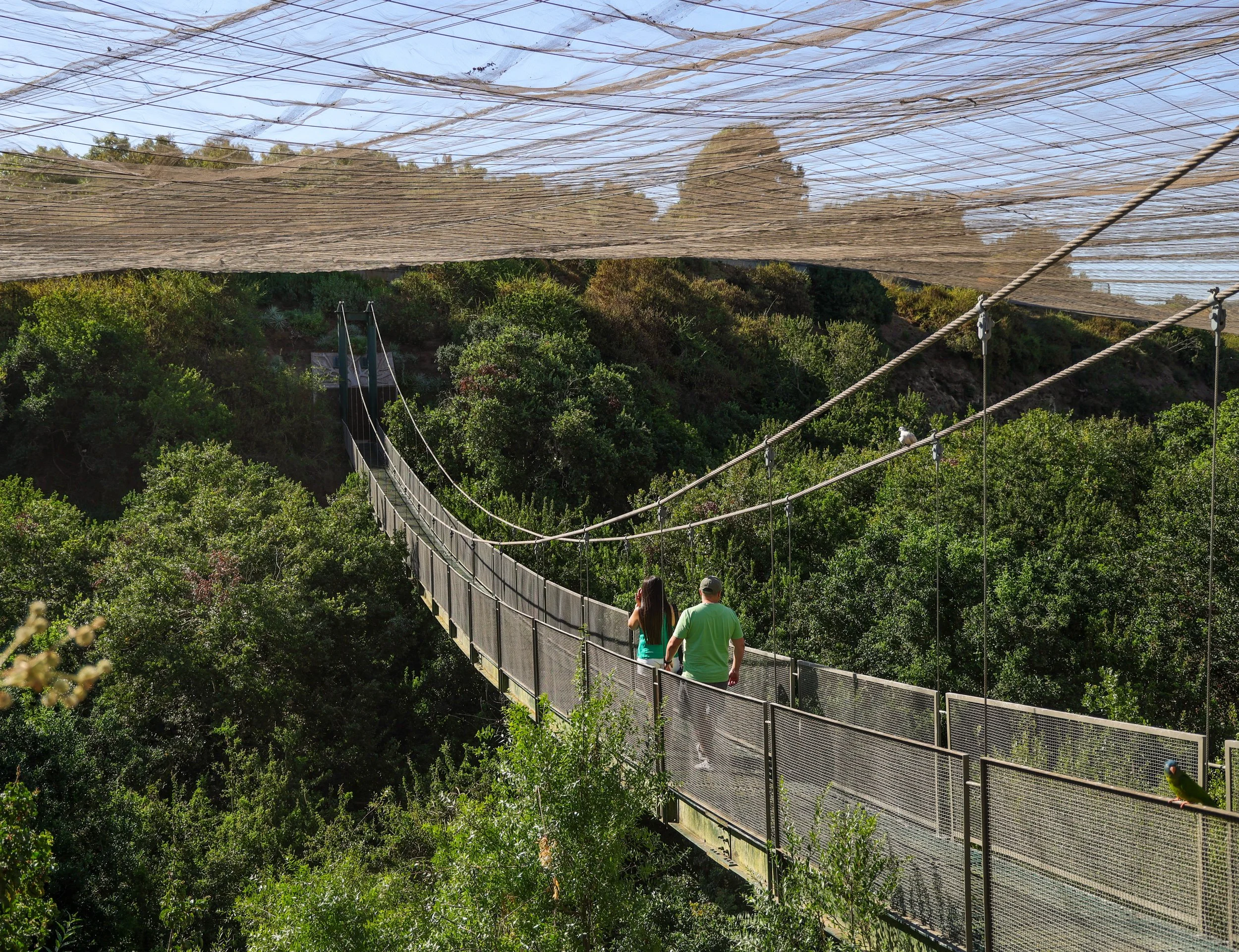
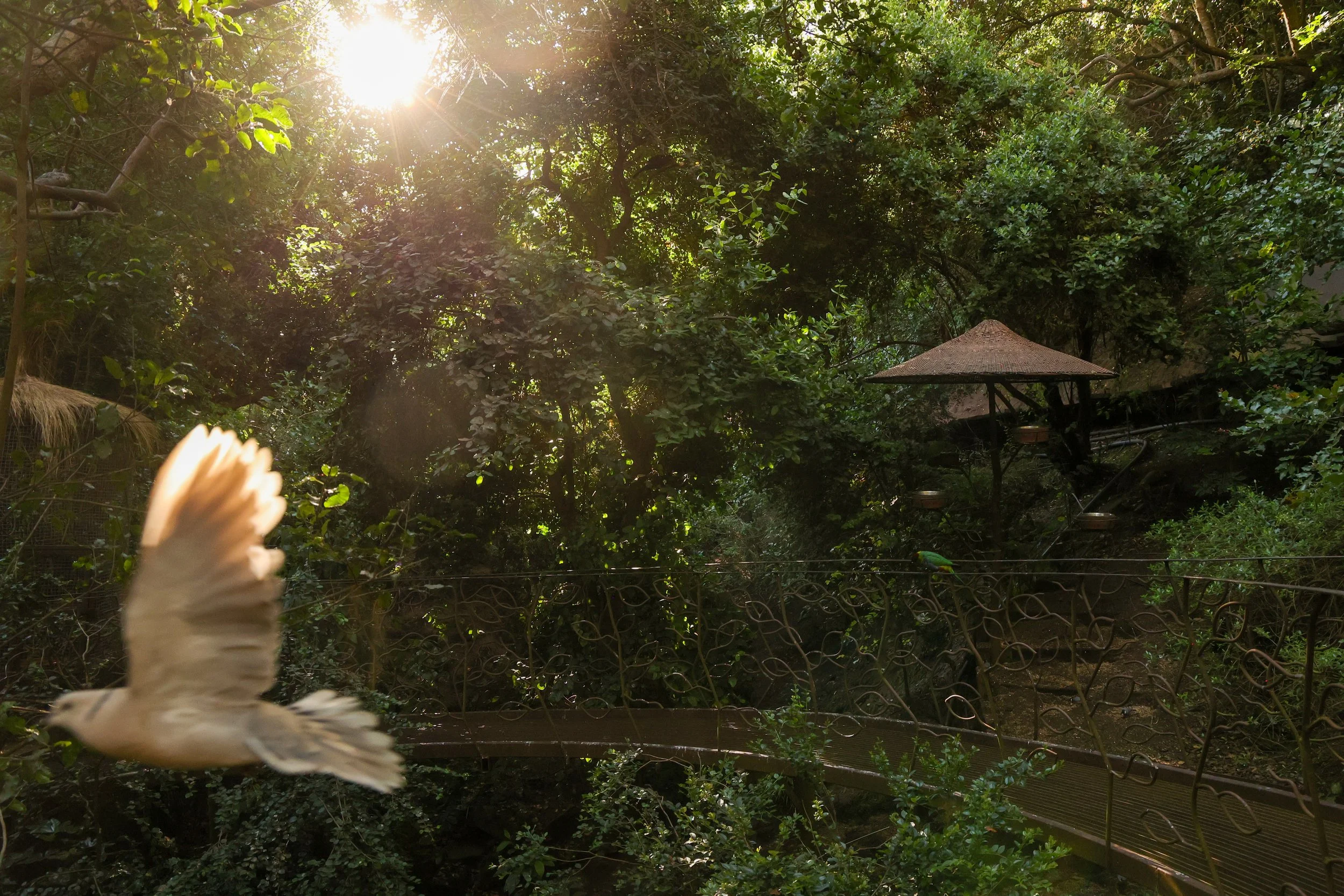
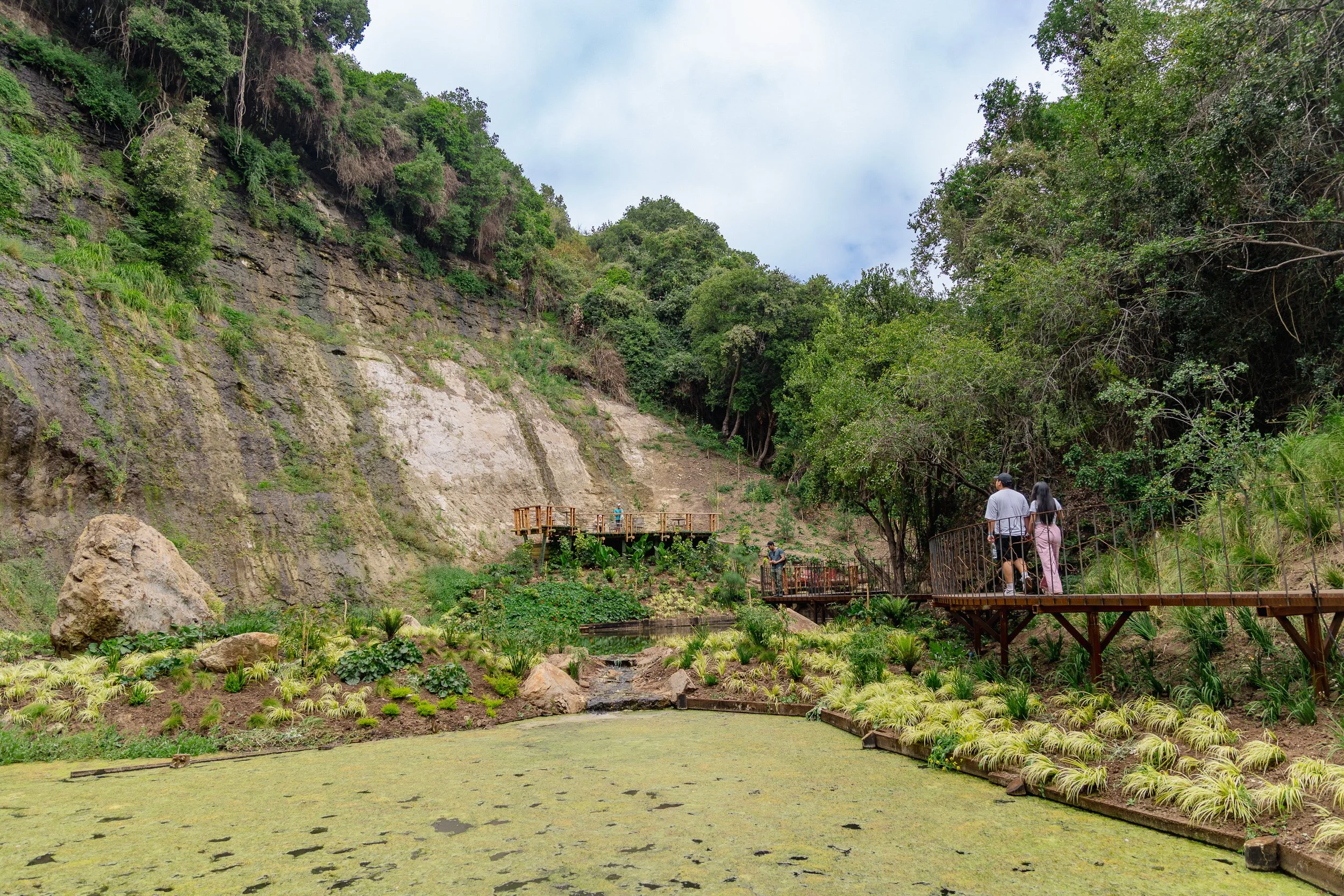
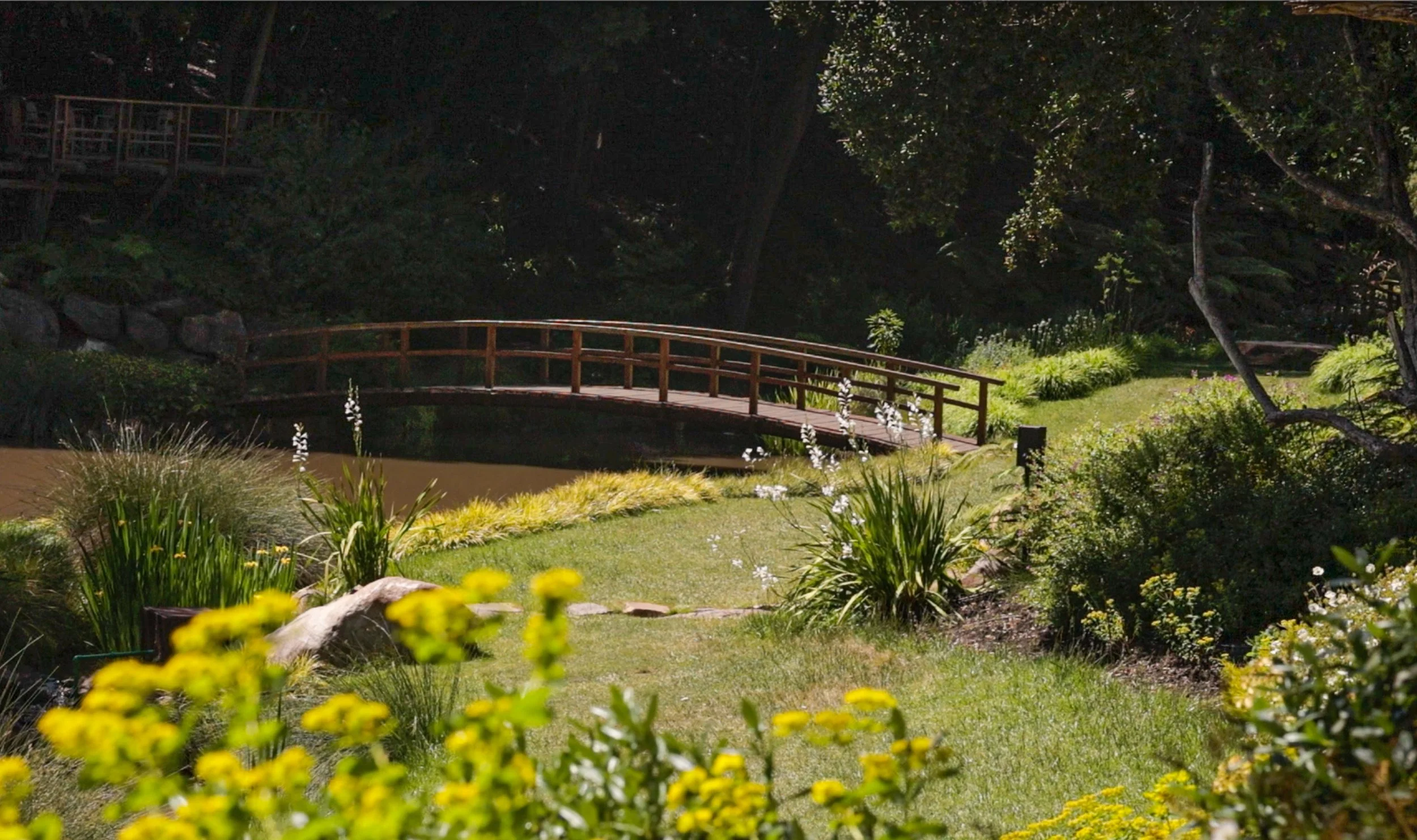
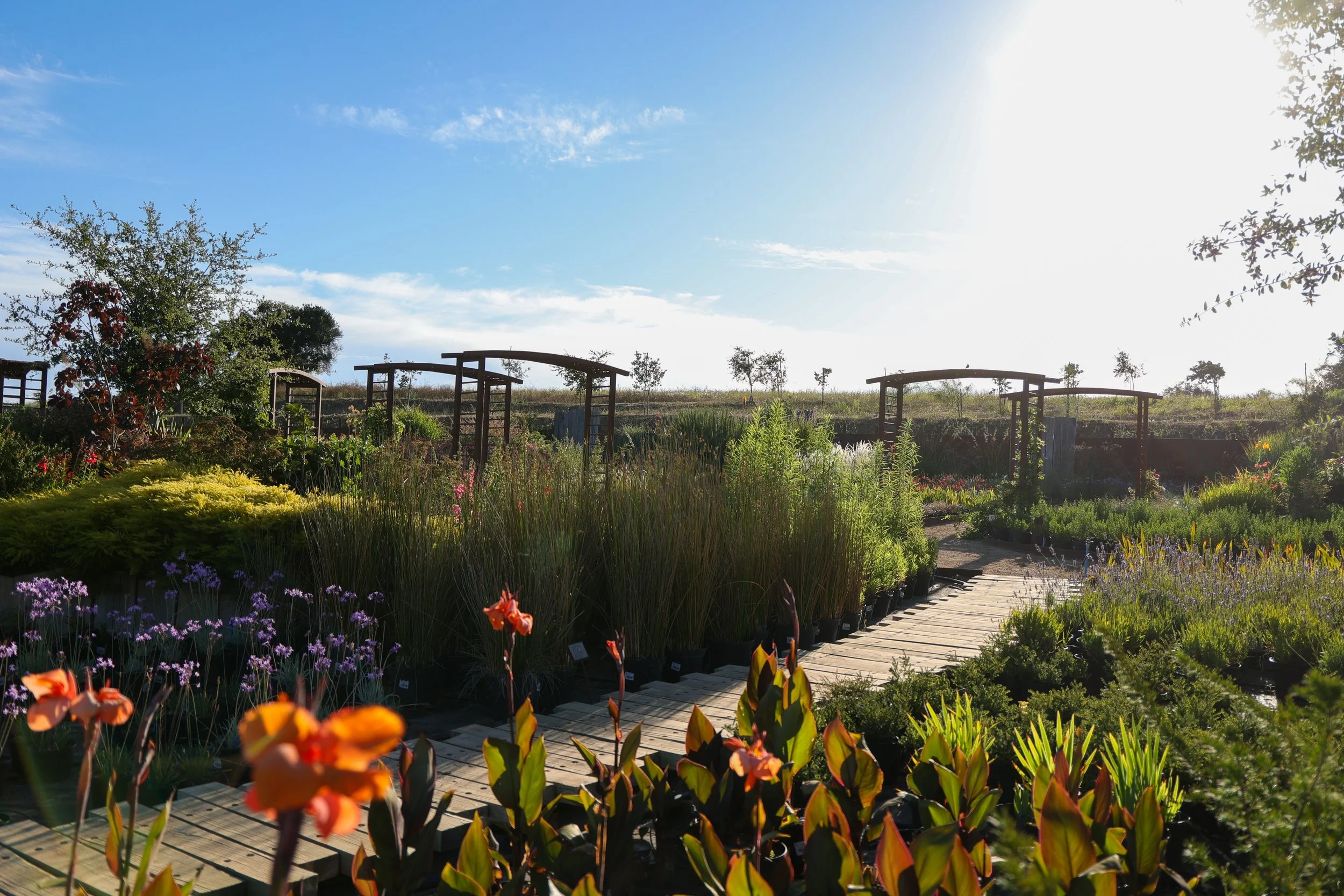
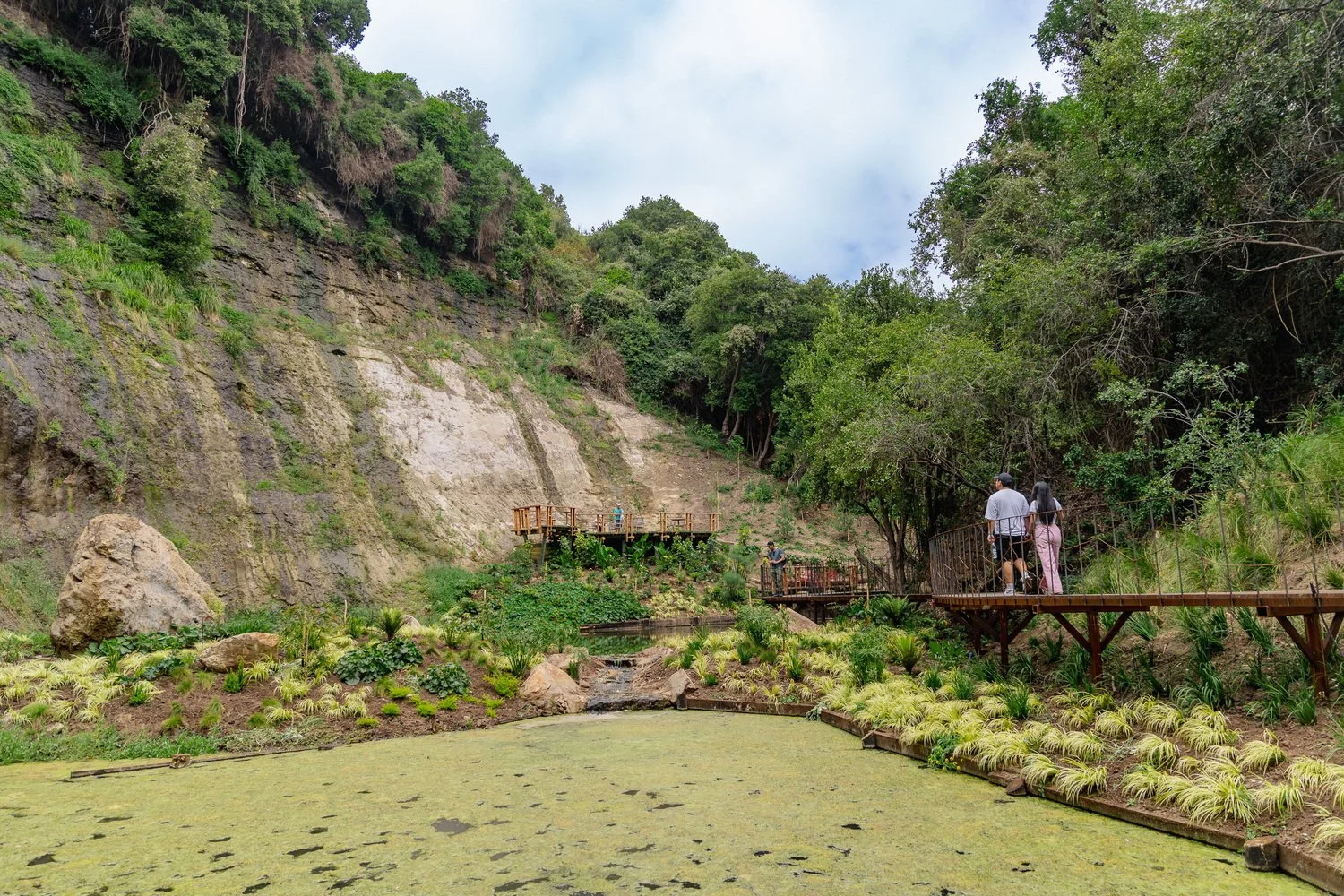
For families visiting Santiago, Tricao Park offers a chance to step away from the city and explore Chile’s biodiversity in a carefully preserved natural setting.
The park combines conservation, native landscapes, and outdoor exploration through walking trails, wetlands, gardens, lagoons, and viewpoints overlooking the surrounding area. Its aviary, one of the largest in South America, provides an opportunity to observe a diverse collection of bird species while learning about conservation efforts.
It is the kind of place that works well for families because it allows everyone to explore at their own pace—whether through nature walks, bird observation, or simply enjoying time outdoors.
Lake District: A Farm-to-Table experience rooted in place
The Lake District is known for its dramatic scenery, but its character is equally defined by agriculture, local producers, and generations of culinary traditions.
The 100K Experience near Llanquihue Lake offers families a closer look at this relationship between land and food. Ingredients are sourced within a 100-kilometer radius, and participants work alongside a local chef to harvest seasonal vegetables and prepare dishes inspired by the region.
Beyond the meal itself, the experience highlights the importance of local producers and sustainable practices. Families gain an understanding of where their food comes from and how regional communities continue to preserve their connection to the land.
Patagonia: Life on the Estancia
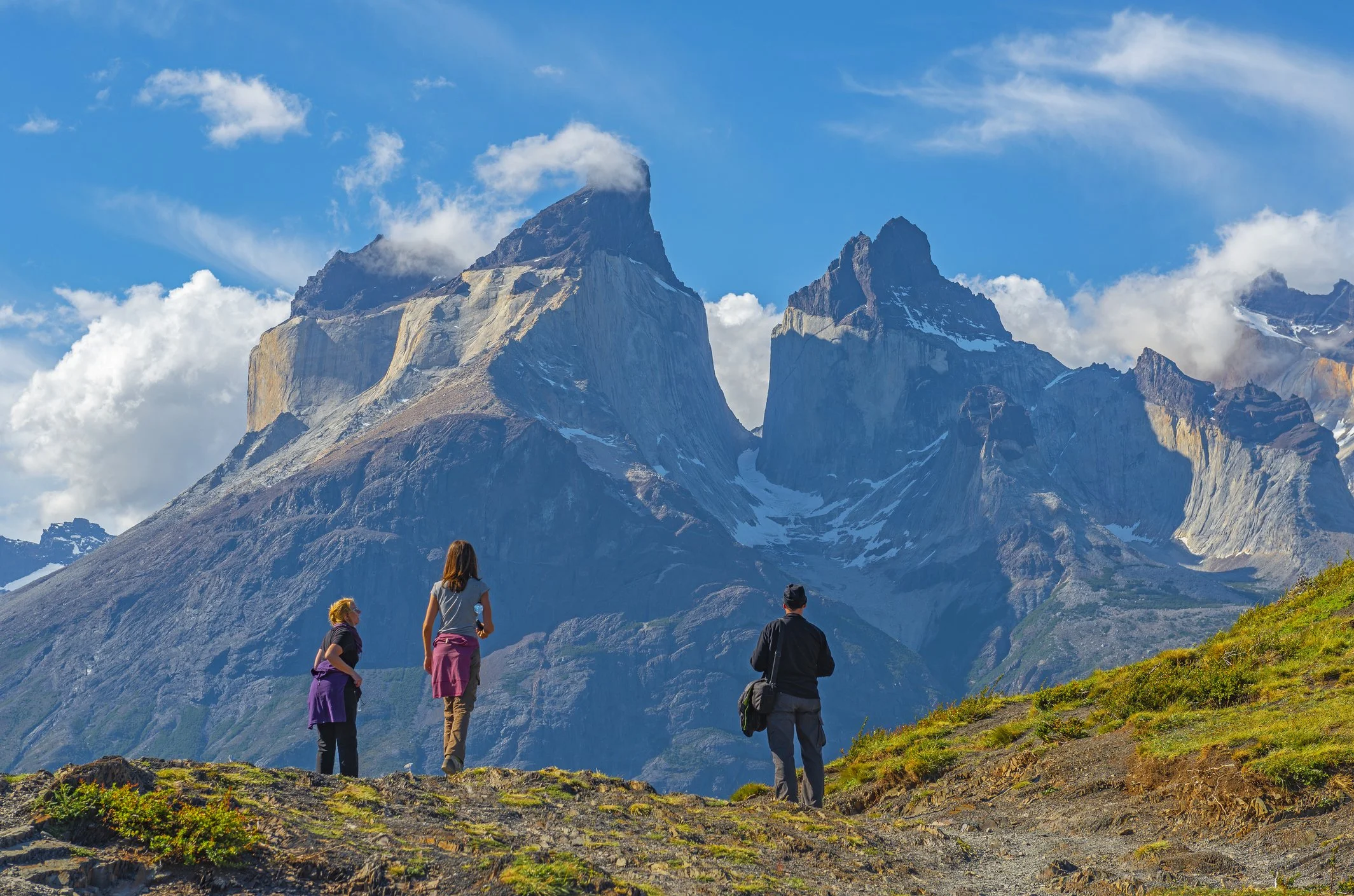
Patagonia is often associated with dramatic mountains and remote wilderness, but its human stories are equally important.
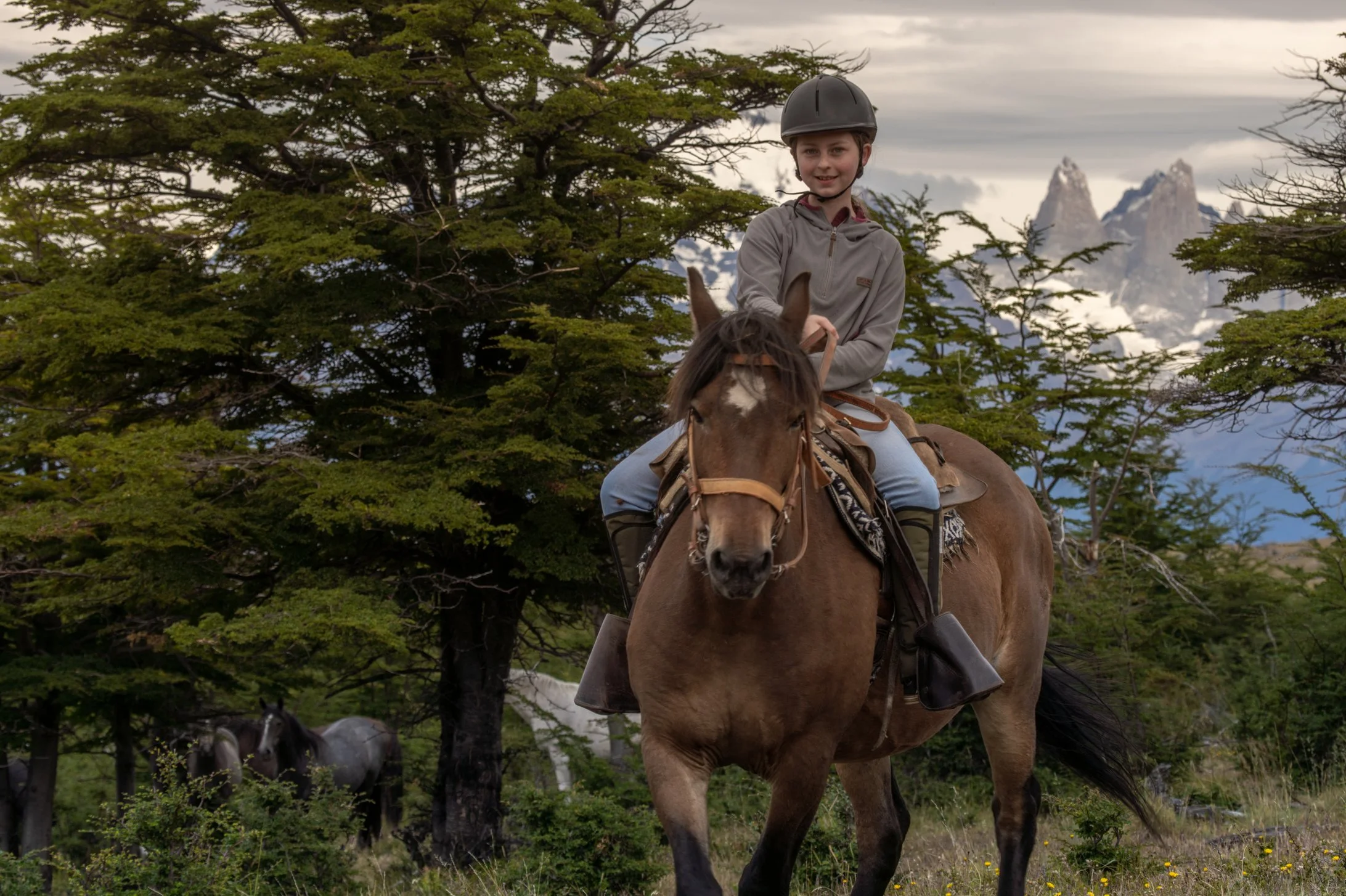
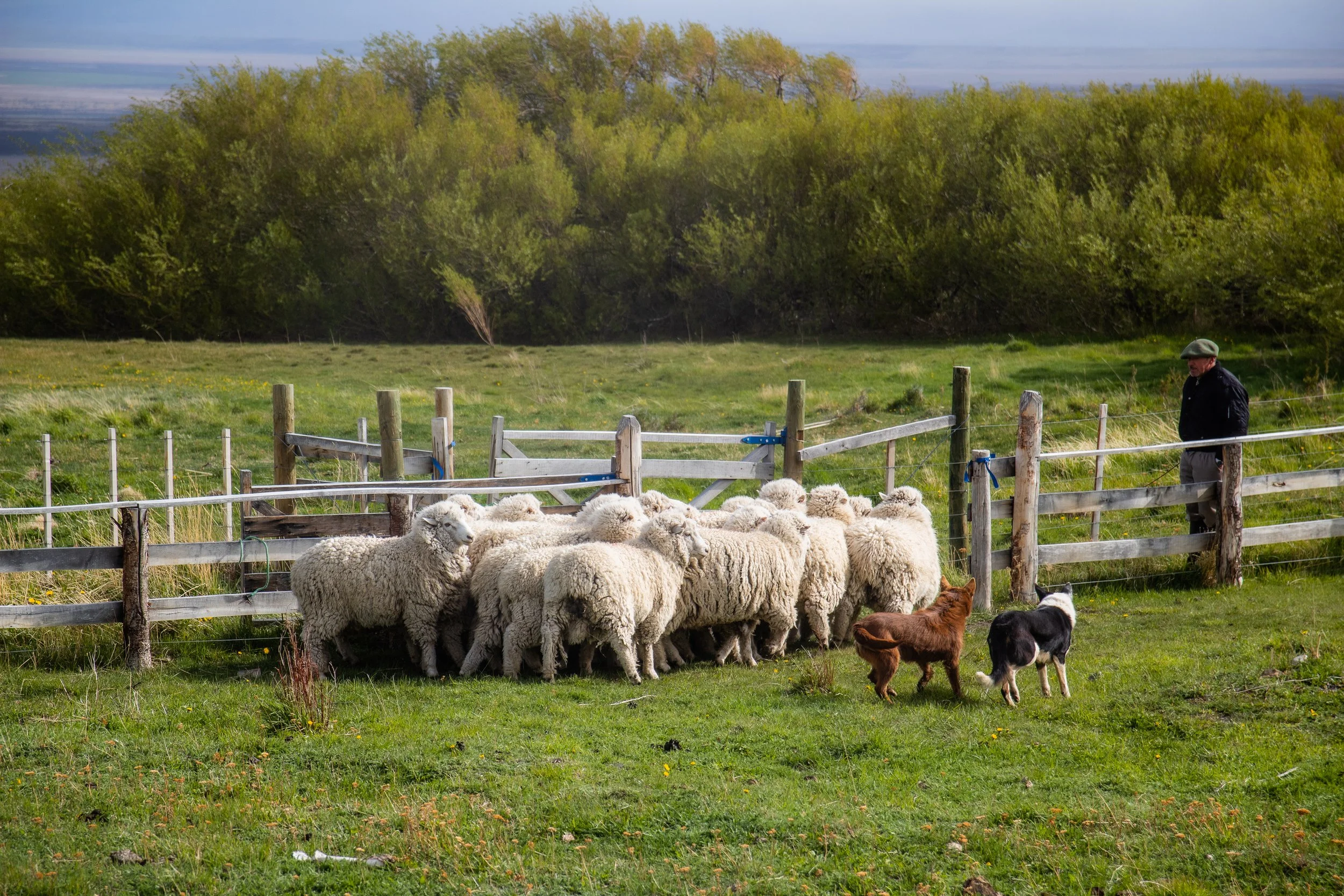
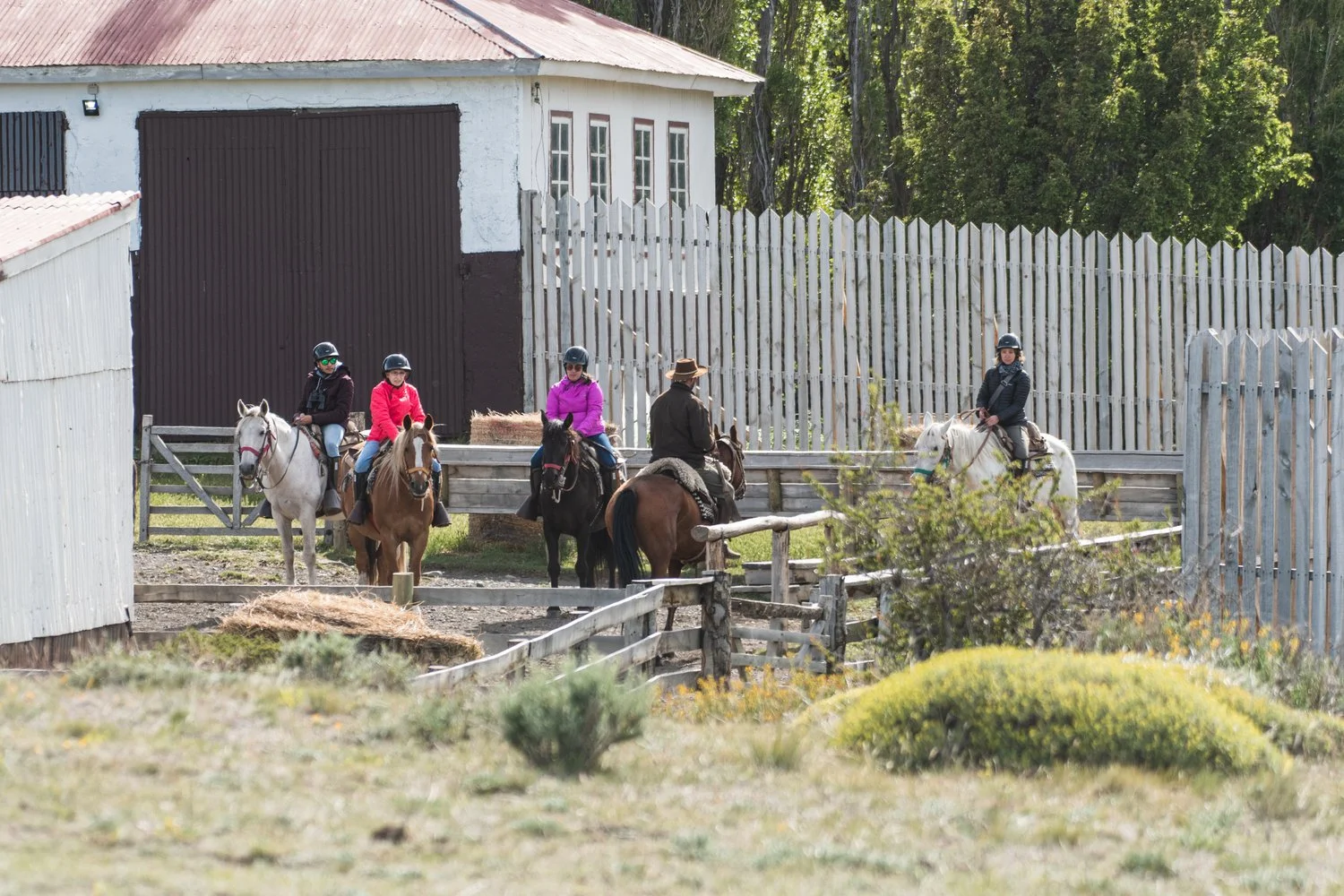
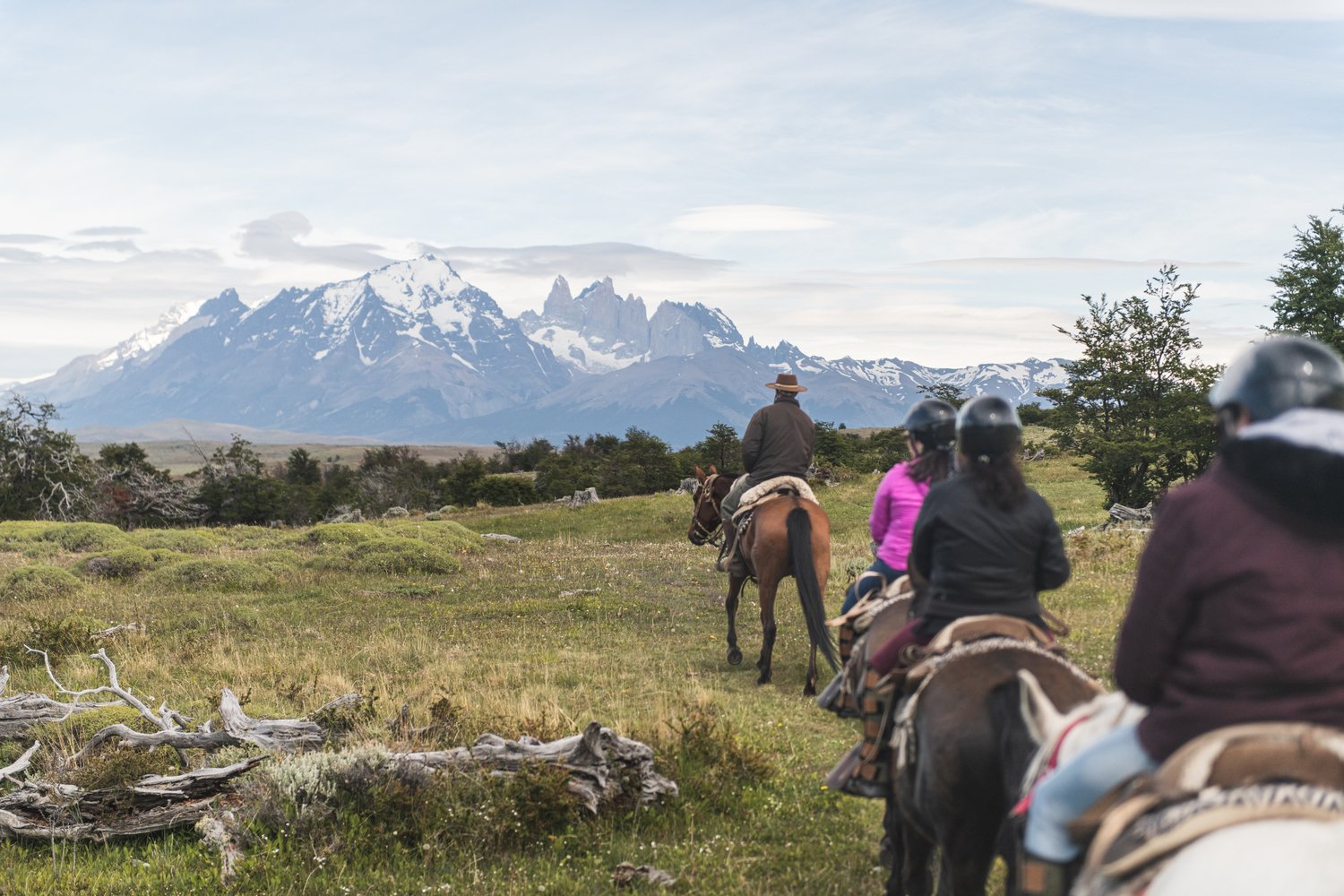
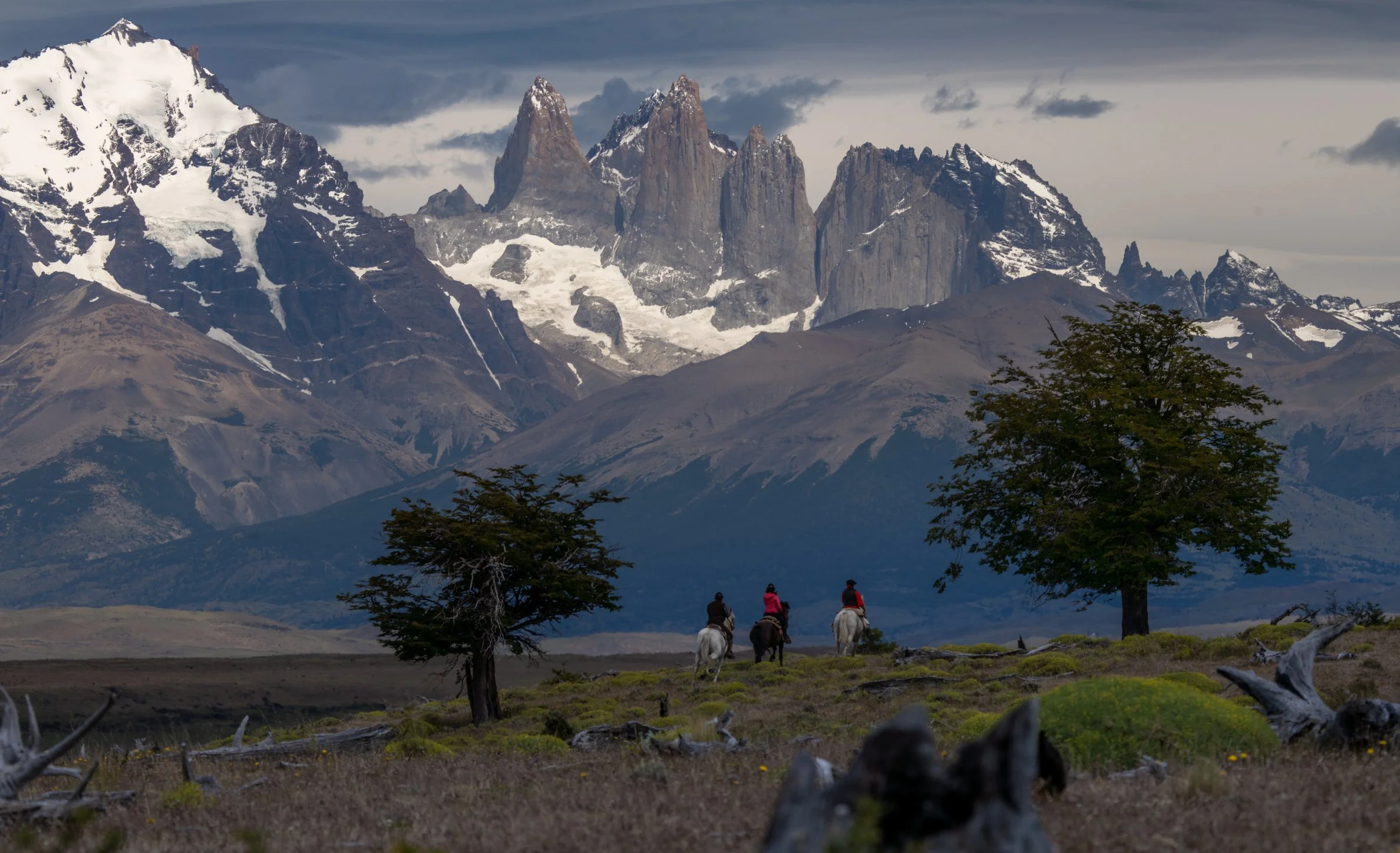
At Tierra de Ovejeros, near Villa Cerro Castillo, families are welcomed into the daily life of a local ranching family with deep roots in the region. This experience offers insight into traditional sheep and cattle farming, wool craftsmanship, and the skills required to live and work in Patagonia.
Depending on the season, visitors may experience horseback riding, sheep-shearing demonstrations, and working sheepdog displays. Time spent with local hosts provides a valuable perspective on Patagonia; not only as a landscape to admire, but as a place shaped by resilience, knowledge, and community.
Magdalena Island: Observing Patagonia’s wildlife
Located in the Strait of Magellan, Magdalena Island is one of the best places to observe Magellanic penguins in their natural environment.
During the breeding season, thousands of penguins gather on the island, creating an extraordinary wildlife experience for families. Accessible by catamaran or speedboat from Punta Arenas, the excursion combines the beauty of the southern coastline with the opportunity to learn about one of Patagonia’s most distinctive species.
The ideal visiting season runs from October to March, when penguin activity is at its highest. For children especially, seeing wildlife in its natural habitat often becomes one of the most lasting memories of a journey through southern Chile.
The Chile we share with families
The experiences we choose for families are not only about what can be seen, but about what can be understood. Chile’s landscapes are remarkable, but the stories behind them - the people who protect them, the traditions that continue, and the knowledge passed between generations - are what make a journey meaningful.
Traveling well means creating space for curiosity, connection, and respect. These are the moments that stay with families long after they return home.
For more information on any of these experiences, please contact your account executive.
