
Chile’s National Parks:
From Easter Island to Patagonia’s Icebound Frontiers
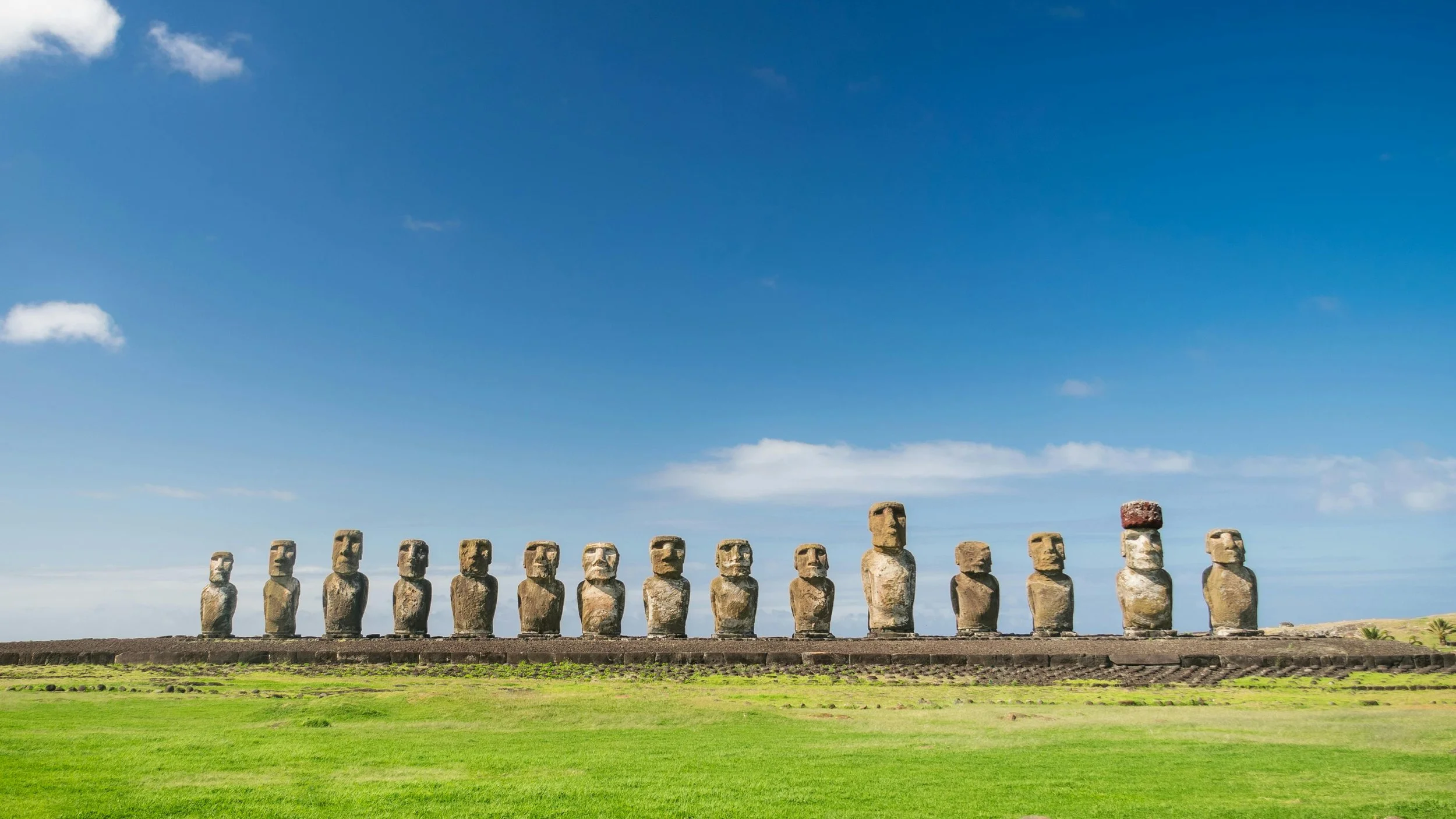
Chile’s geography reads like an epic novel, stretching from the mystique of Polynesian Rapa Nui National Park to the labyrinthine glaciers of southern Patagonia. Few countries offer such dramatic ecological contrasts within a single national park system. Volcanic islands, granite massifs, temperate rainforests, ice fields, and fjords coexist here. This diversity translates into extraordinary flexibility in designing programs, allowing for seamless transitions from cultural immersion to expedition-style wilderness experiences without repetition in narrative or experience.
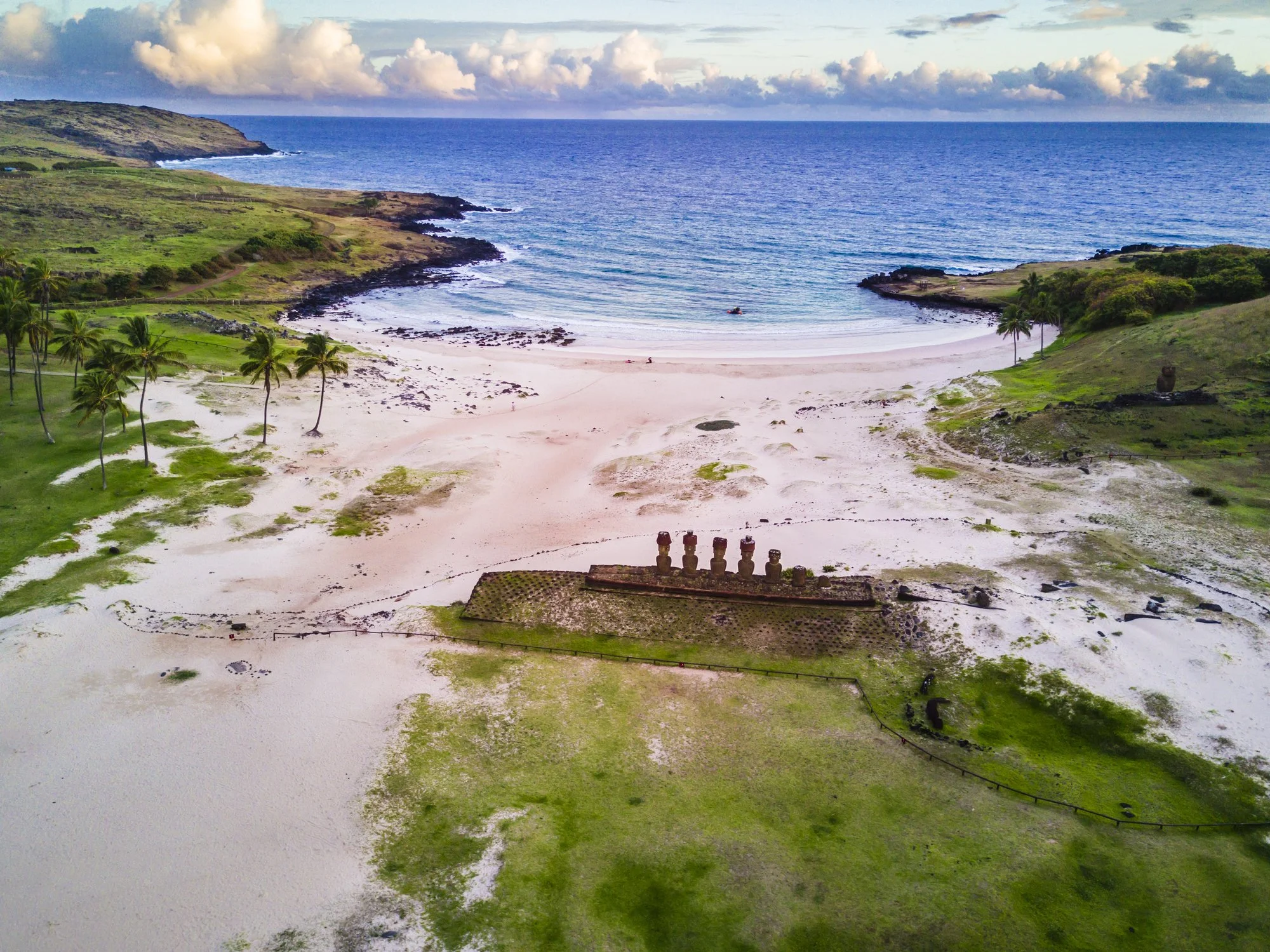
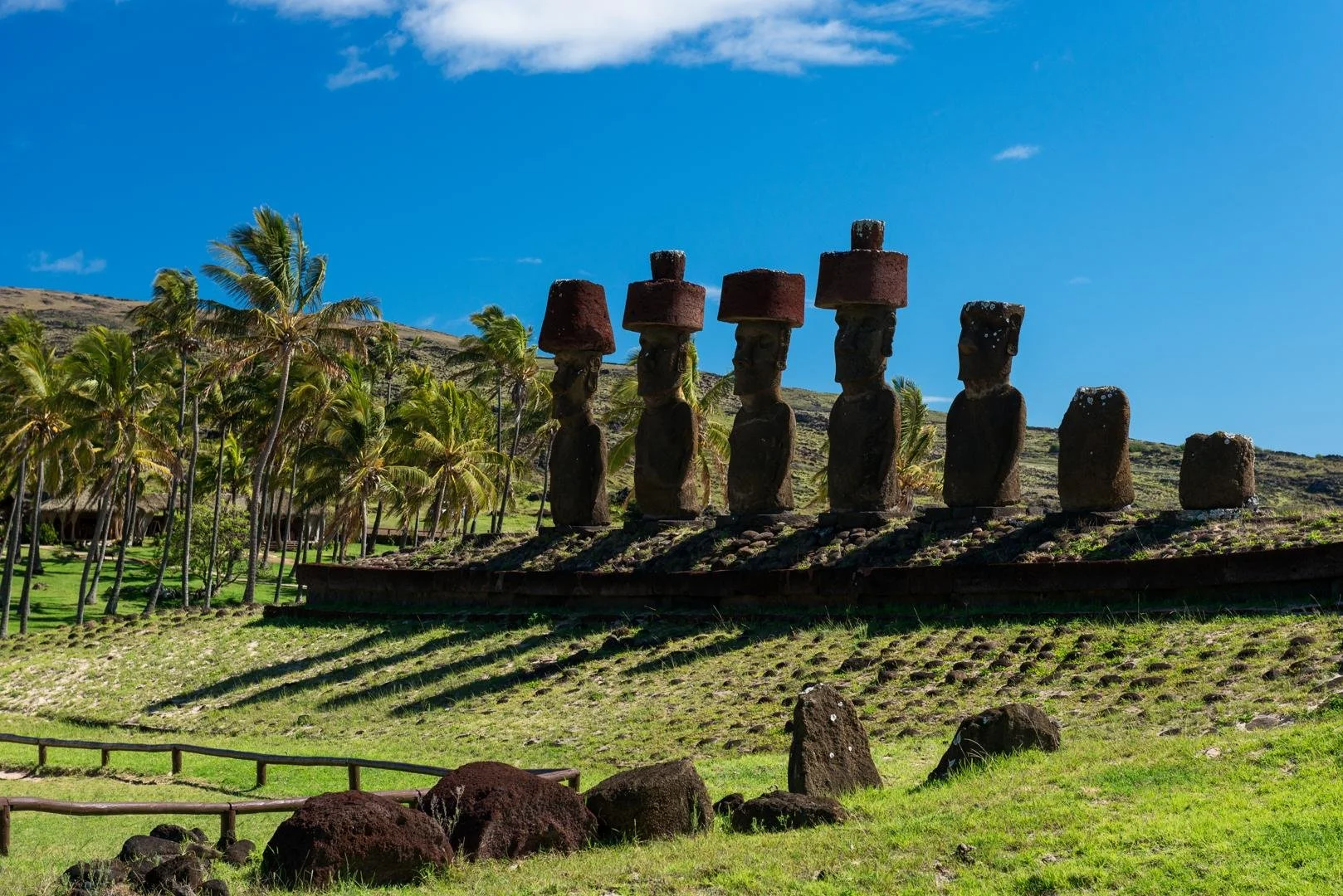
In the middle of the Pacific Ocean, Rapa Nui stands apart as a cultural treasure and protected landscape. The iconic moai statues are a highlight, but the destination’s strength lies in its living Polynesian heritage. Community-led tourism initiatives emphasize archaeological preservation alongside the revitalization of ancestral traditions, including dance, language, navigation, and oral history. For travelers, it is not a static archaeological site but a dynamic cultural ecosystem where conservation and identity are deeply intertwined.
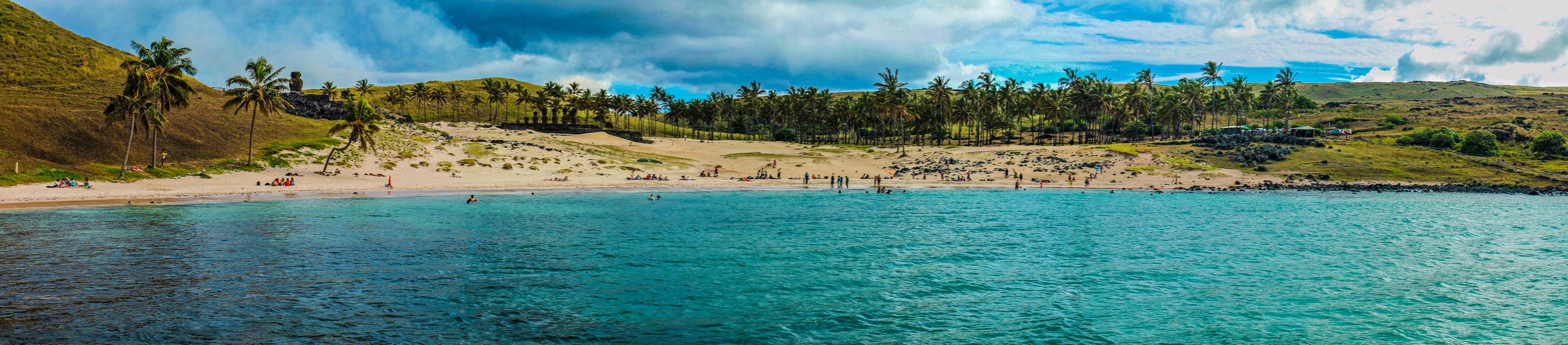
Anakena beach, Easter Island
At the opposite extreme lies Patagonia, where Chile’s national parks redefine large-scale wilderness. Torres del Paine National Park is the country’s premier park, renowned worldwide for its granite towers, turquoise lakes, and organized trekking routes. Visitor management systems, regulated accommodations, and conservation-focused infrastructure demonstrate how Chile balances high demand with environmental stewardship, making it an ideal destination for active luxury, soft adventure, and guided FIT programs.
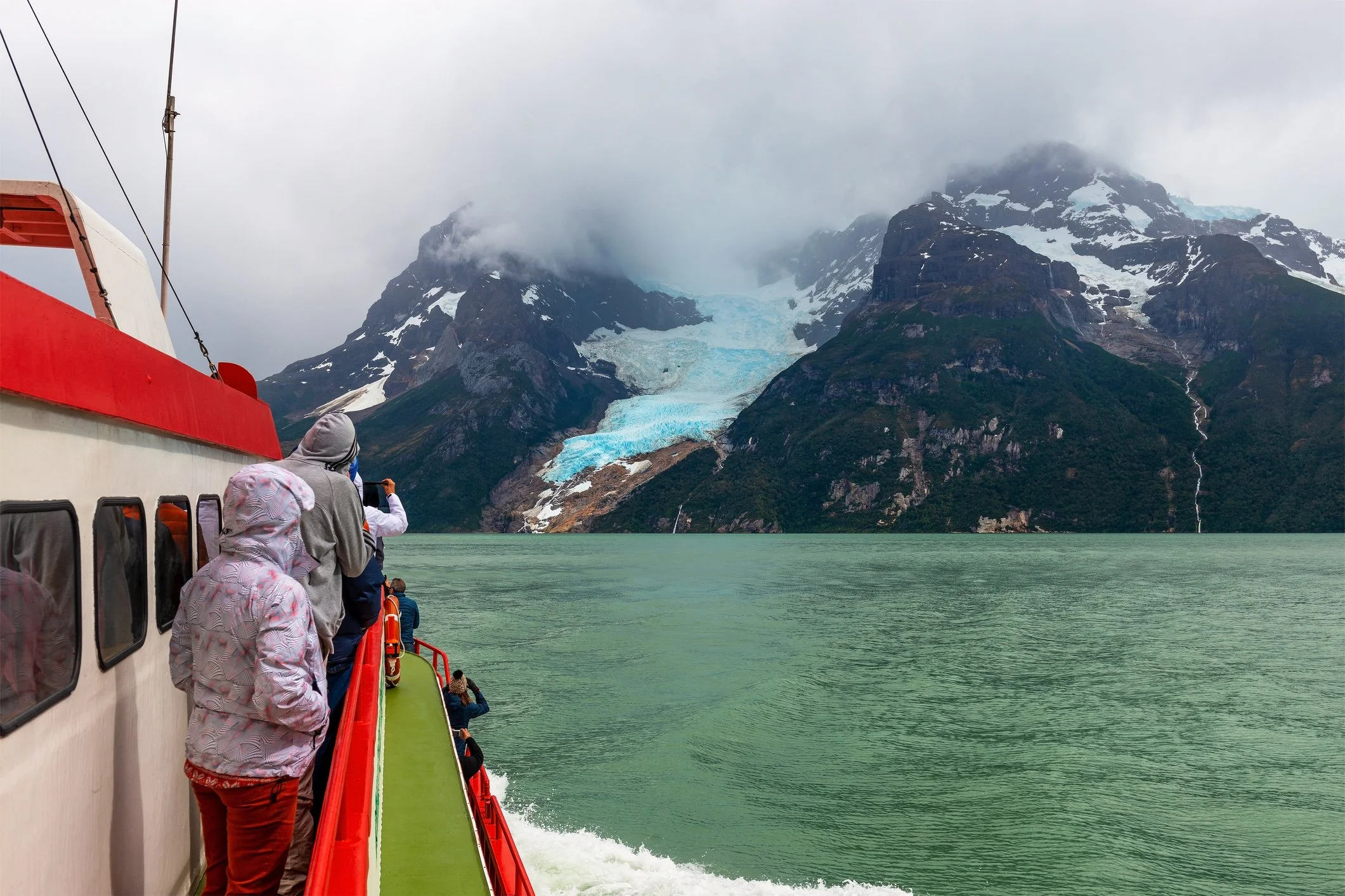
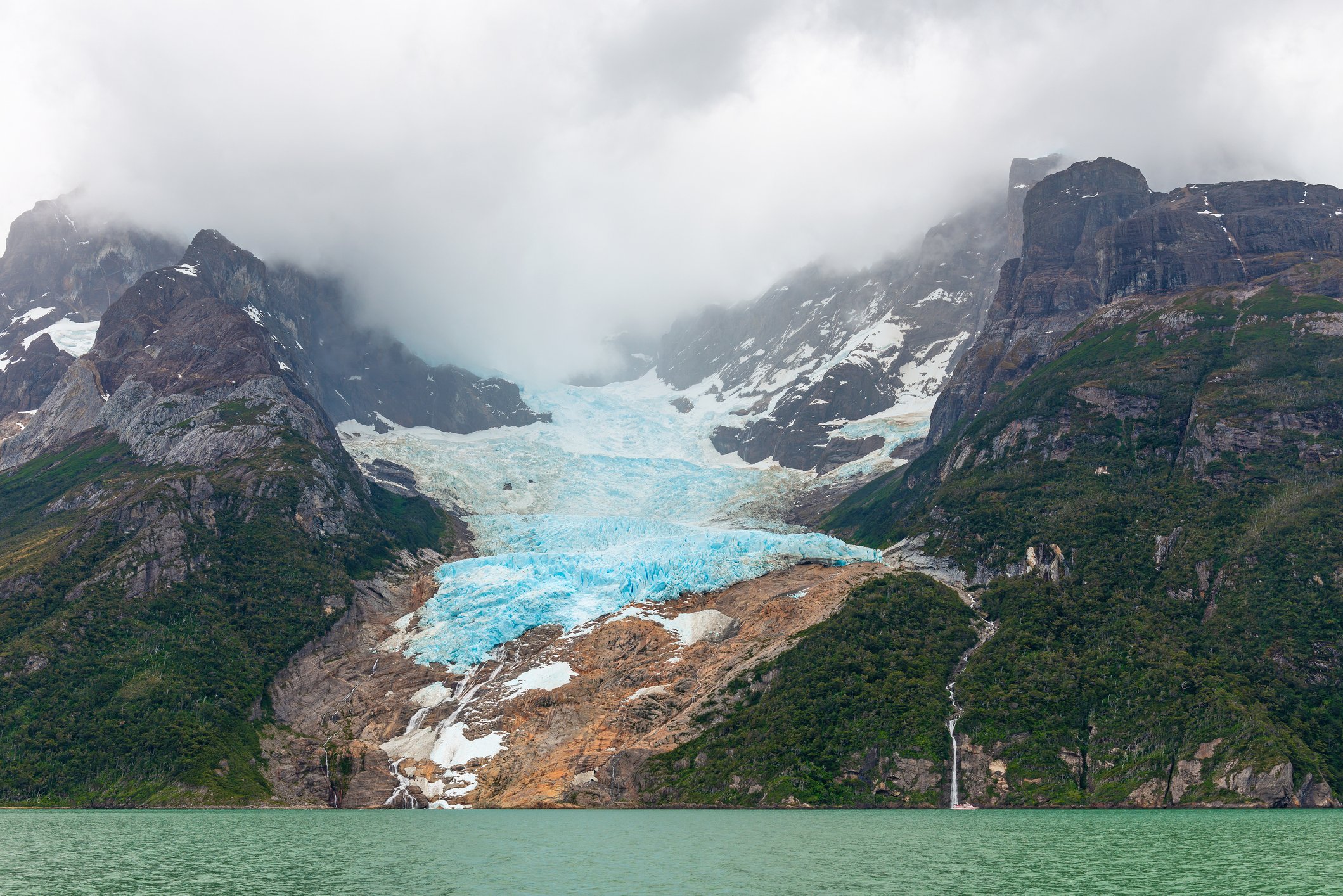
Travelers seeking a more expeditionary experience will enjoy Bernardo O'Higgins National Park and Laguna San Rafael National Park. These protected areas are defined by vast ice fields, tidewater glaciers, remote channels, and minimal human presence. Access often requires small-ship navigation or specialized overland logistics, providing ample opportunity for exploratory travel, scientific exploration, and low-impact adventure.
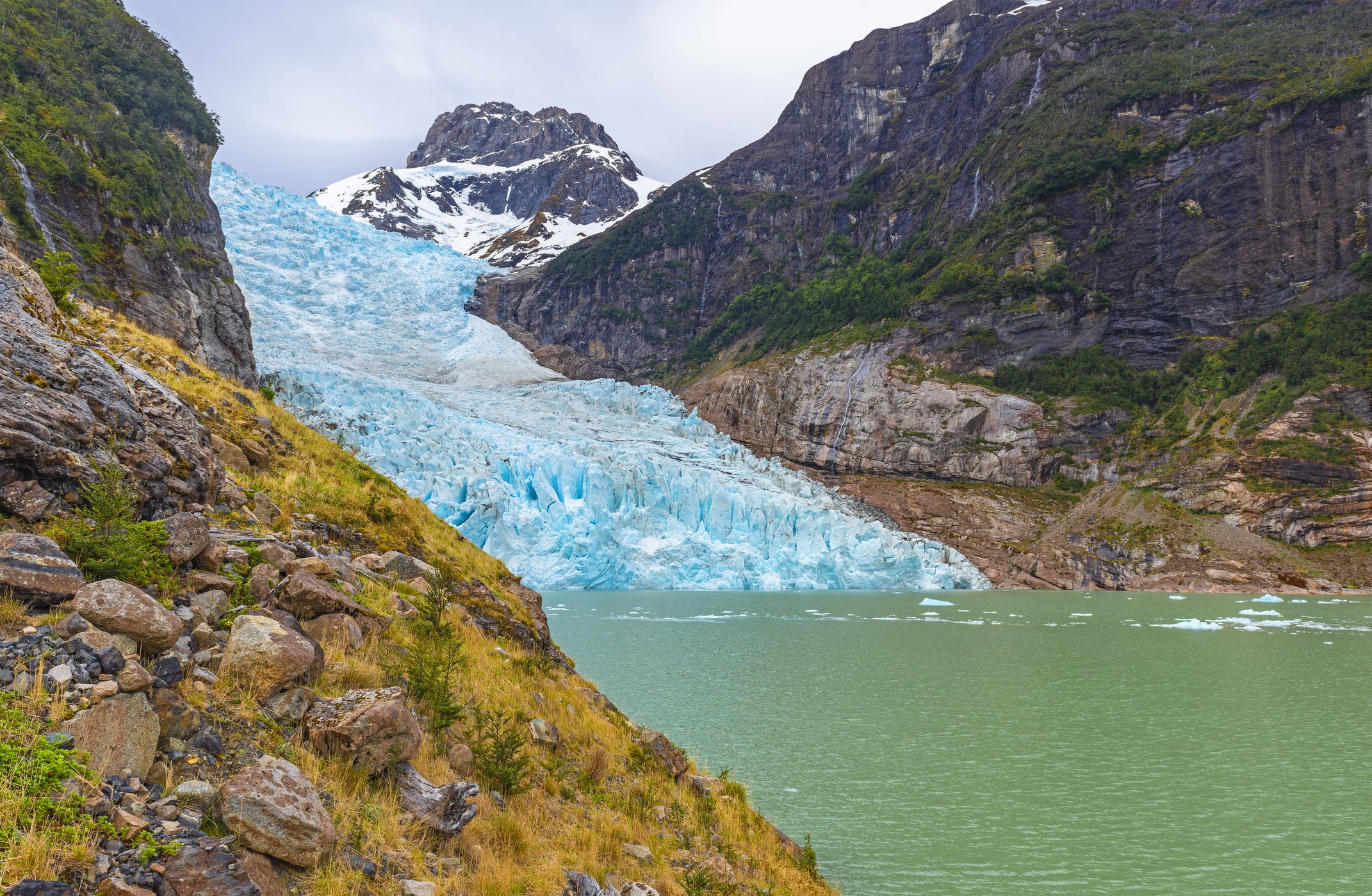
Bernardo O’higgins National Park
Together, Chile’s national parks form a geographically expansive and strategically versatile portfolio. Advisors can guide clients from Polynesian cultural landscapes to the largest temperate ice fields in the Southern Hemisphere—all within one country. This narrative range, combined with Chile’s robust conservation framework, positions its national park system as one of the most compelling and adaptable in South America.
