
Discover Tapati Rapa Nui in 2026
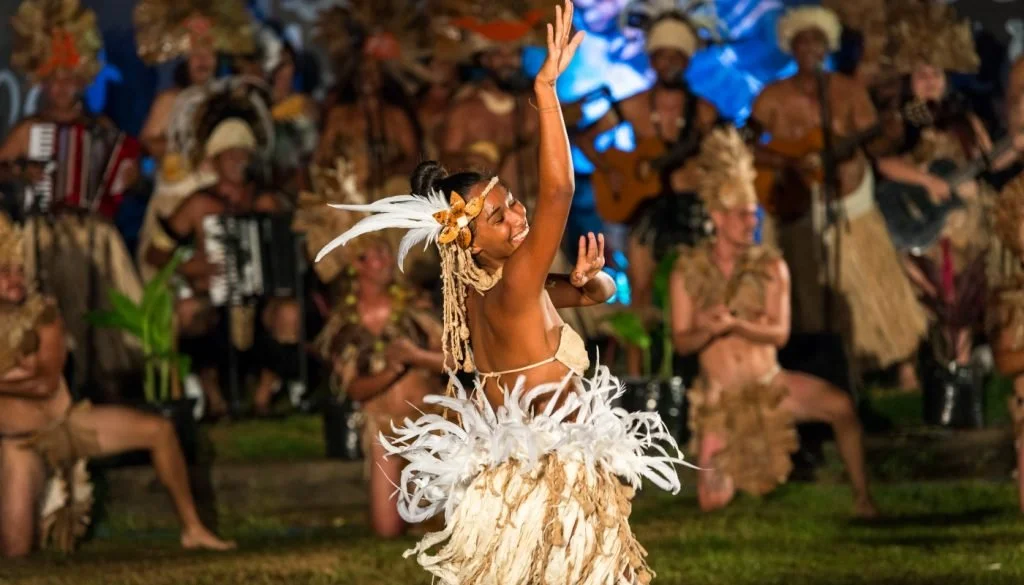
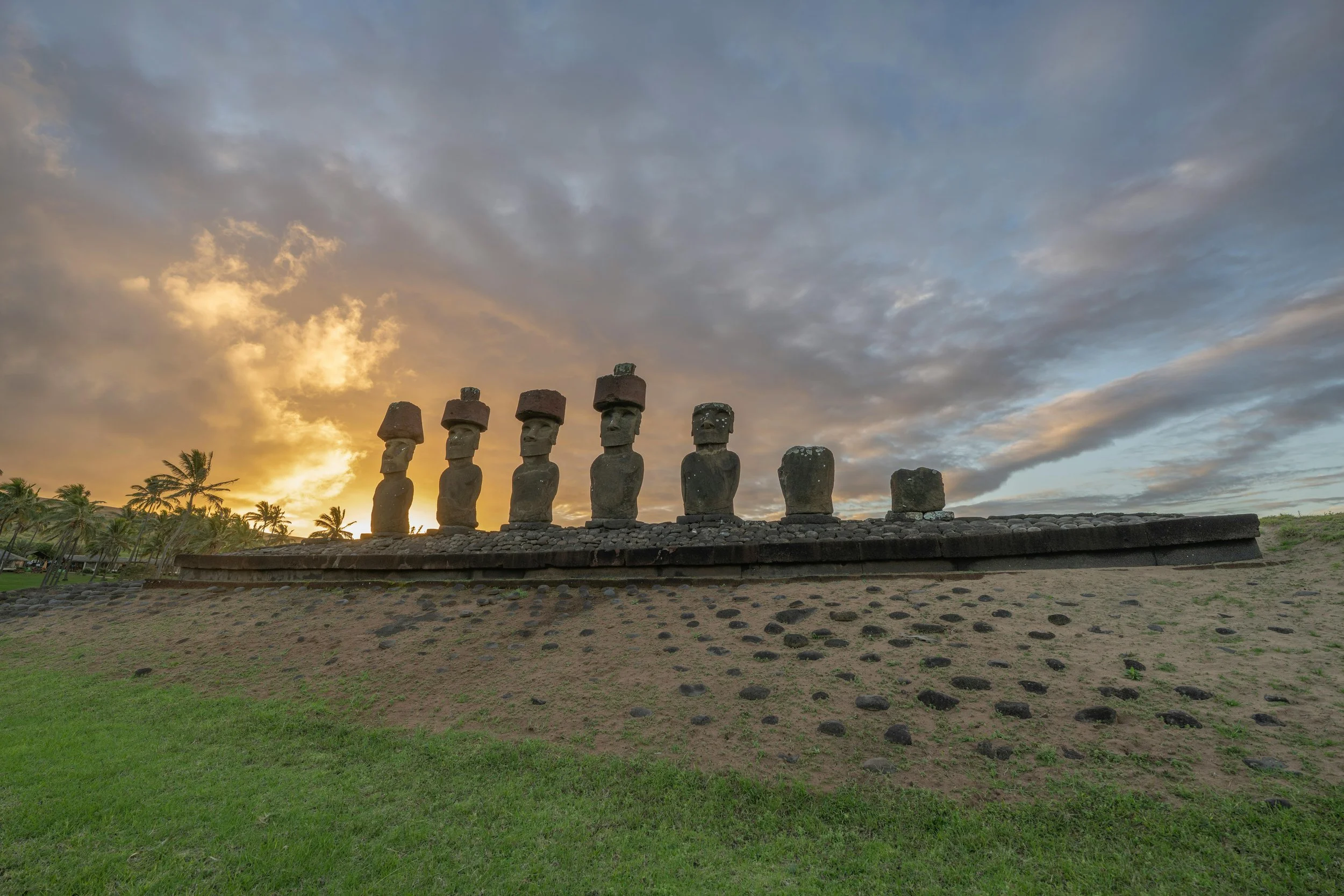
When travelers think of Chile, Patagonia’s glaciers or the Atacama Desert often come to mind. Yet far out in the Pacific Ocean, on the mystical Easter Island (Rapa Nui), one of South America’s most extraordinary cultural celebrations comes to life every year: Tapati Rapa Nui.
Held during the first half of February, Tapati Rapa Nui is far more than a festival — it is a powerful expression of identity, heritage, and community pride.
A Living Celebration of Rapa Nui Culture
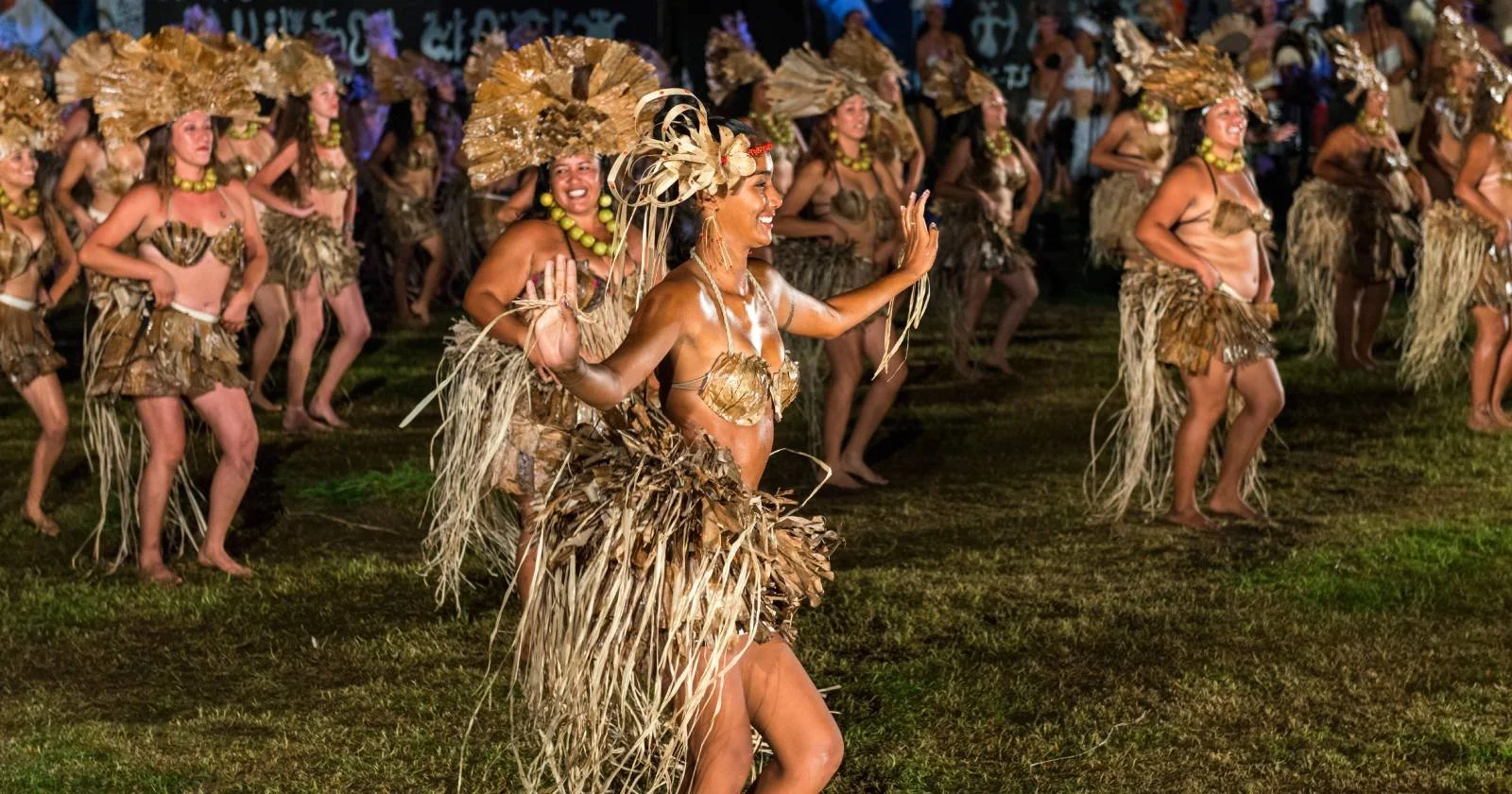
Tapati Rapa Nui is a 15-day cultural celebration rooted in centuries-old Polynesian traditions. During this time, the entire island transforms into a stage for ancestral rituals, music, dance, and athletic competitions that honor the legacy of the Rapa Nui people.
Unlike many folkloric festivals designed primarily for spectators, Tapati is deeply participatory. Local families form teams that compete throughout the festival, reviving traditional skills such as:
Ancestral dance and drumming
Body painting using natural pigments
Traditional chanting and storytelling
Stone-lifting and canoeing
The famous Haka Pei (a thrilling banana-trunk sled race down volcanic slopes)
Each activity reflects the island’s deep connection to nature, strength, artistry, and communal life.
Culture, Competition, and Community Spirit
At the heart of Tapati is a friendly yet passionate competition between two clans, each supporting a candidate who represents cultural knowledge, leadership, and connection to Rapa Nui traditions. Points are earned through performances, crafts, and athletic feats, culminating in the crowning of the Tapati Queen.
For visitors, this creates an atmosphere unlike anywhere else in Chile — intimate, joyful, and immersive. Streets fill with music, traditional costumes are worn daily, and visitors are welcomed to observe, learn, and respectfully participate in workshops and events.


Why Tapati Is a Must-See for Cultural Travelers
Tapati Rapa Nui stands out as one of the most authentic cultural festivals in South America because it is:
Community-led: Organized by and for the Rapa Nui people
Culturally preserved: Focused on safeguarding language, rituals, and ancestral knowledge
Visually spectacular: Elaborate costumes, dances, and performances in natural settings
Emotionally powerful: A celebration of resilience, identity, and heritage
For travelers seeking meaningful cultural experiences — beyond museums and monuments — Tapati offers rare access to a living, breathing tradition.
Planning Ahead: Why Booking Early Matters
Due to Easter Island’s remote location and limited infrastructure, Tapati season is one of the busiest times of the year. Travelers planning to attend in 2026 should keep in mind:
Limited flights from mainland Chile (Santiago)
Small hotel and lodge capacity
High demand for local guides and cultural experiences
Festival dates fixed to early February
Booking early ensures better flight availability, preferred accommodations, and access to well-curated cultural programs that respect local customs and enhance the experience.
Combining Tapati with Mainland Chile
Tapati Rapa Nui pairs beautifully with other Chilean highlights. Many travelers choose to combine the festival with:
Santiago & Valparaíso for culture and gastronomy
Wine valleys such as Casablanca or Colchagua
Patagonia adventures later in the season
This makes Tapati an ideal anchor experience within a broader Chile or South America itinerary.
If your journey to Chile is about more than landscapes — if it’s about people, stories, and traditions — Tapati Rapa Nui belongs at the top of your travel list.
